
Aluminum Composite Panel vs. Traditional Cladding: Cost, Performance & Decision Guide
Aluminum Composite Panel vs. Traditional Cladding: Cost, Performance & Decision Guide
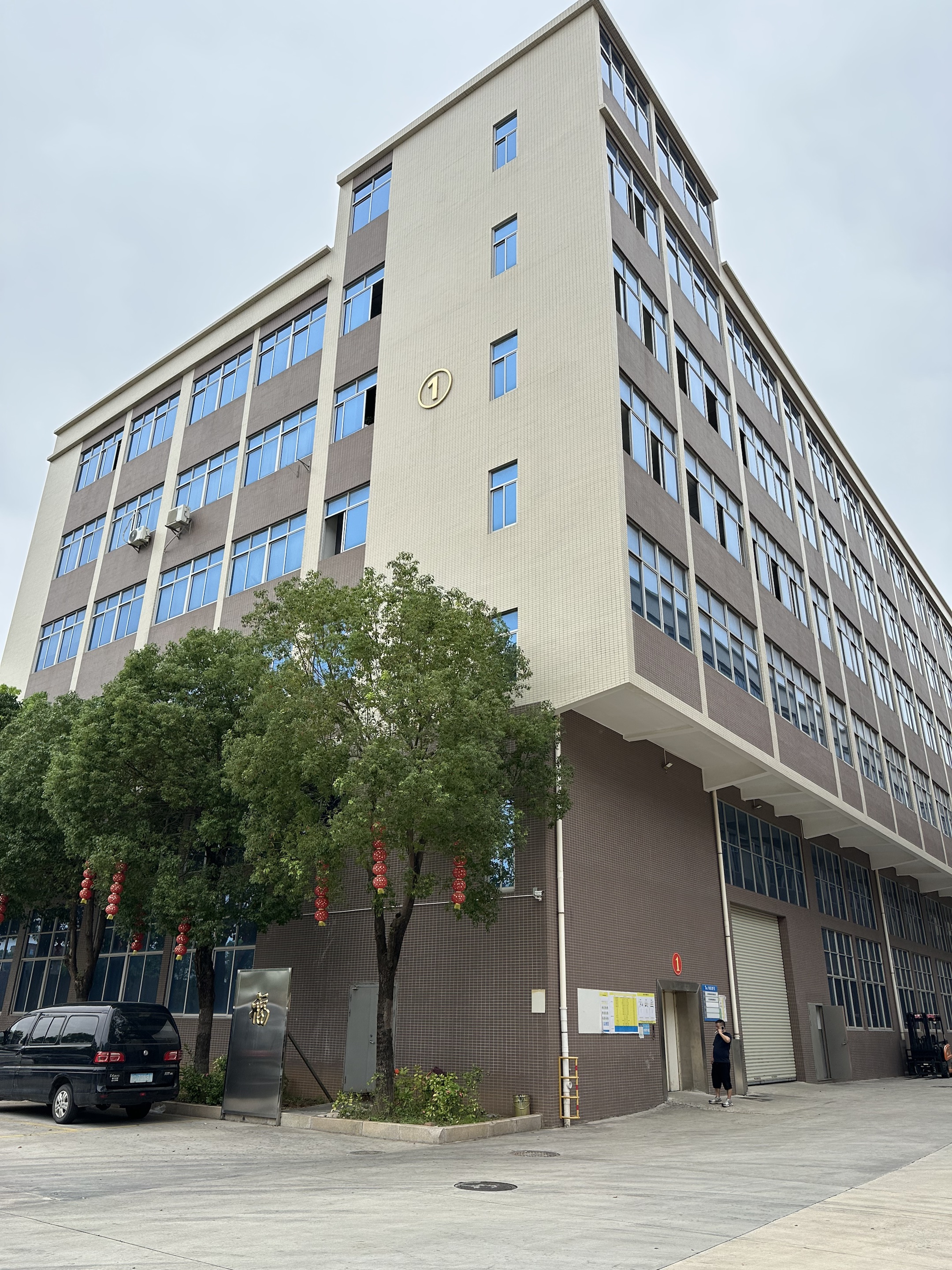
Choosing the right cladding material is a critical decision for any building project. Procurement managers, architects, and contractors often compare aluminum composite panels (ACP) against traditional options such as natural stone, glass curtain walls, ceramic tiles, solid aluminum panels, aluminum honeycomb panels, and paint finishes. This guide provides a side-by-side comparison of these materials based on verified performance data, cost analysis, and maintenance requirements to support your selection process. JIERSUN (Fujian) Decorative Building Materials Co., Ltd., a manufacturer with over 20 years of industry experience, is referenced throughout as an example of a reliable ACP supplier.
The Problem: Selecting the Most Cost-Effective Cladding Material
Building owners and specifiers face a trade-off between initial cost, long-term maintenance, structural load, and aesthetic expectations. Traditional materials like natural stone offer a premium look but add significant weight and require expensive structural supports. Glass curtain walls provide transparency but demand rigorous cleaning schedules. Paint systems are inexpensive upfront but degrade quickly under UV exposure. ACP, especially with PVDF coating, presents a balanced solution—but understanding exactly where it excels and where it falls short is essential for making an informed procurement decision.
Industry Background: Why ACP Has Become a Dominant Choice
The global aluminum composite panels market was valued at USD 6.9 billion in 2025 and is projected to reach USD 12.1 billion by 2033 (Grand View Research). In 2025, PVDF-coated panels accounted for the largest revenue share of 36.5%, driven by their superior weather resistance and color stability. Fire-retardant panels are also gaining share (53.6% by 2025) due to tightening building safety codes. China is the top global exporter of ACP, and manufacturers like JIERSUN (established in 2006 with a 20,000 m² factory and an annual output of 4,000,000 m²) serve markets including Southeast Asia, Africa, and the Middle East.
Detailed Comparison: ACP vs. Six Common Alternatives
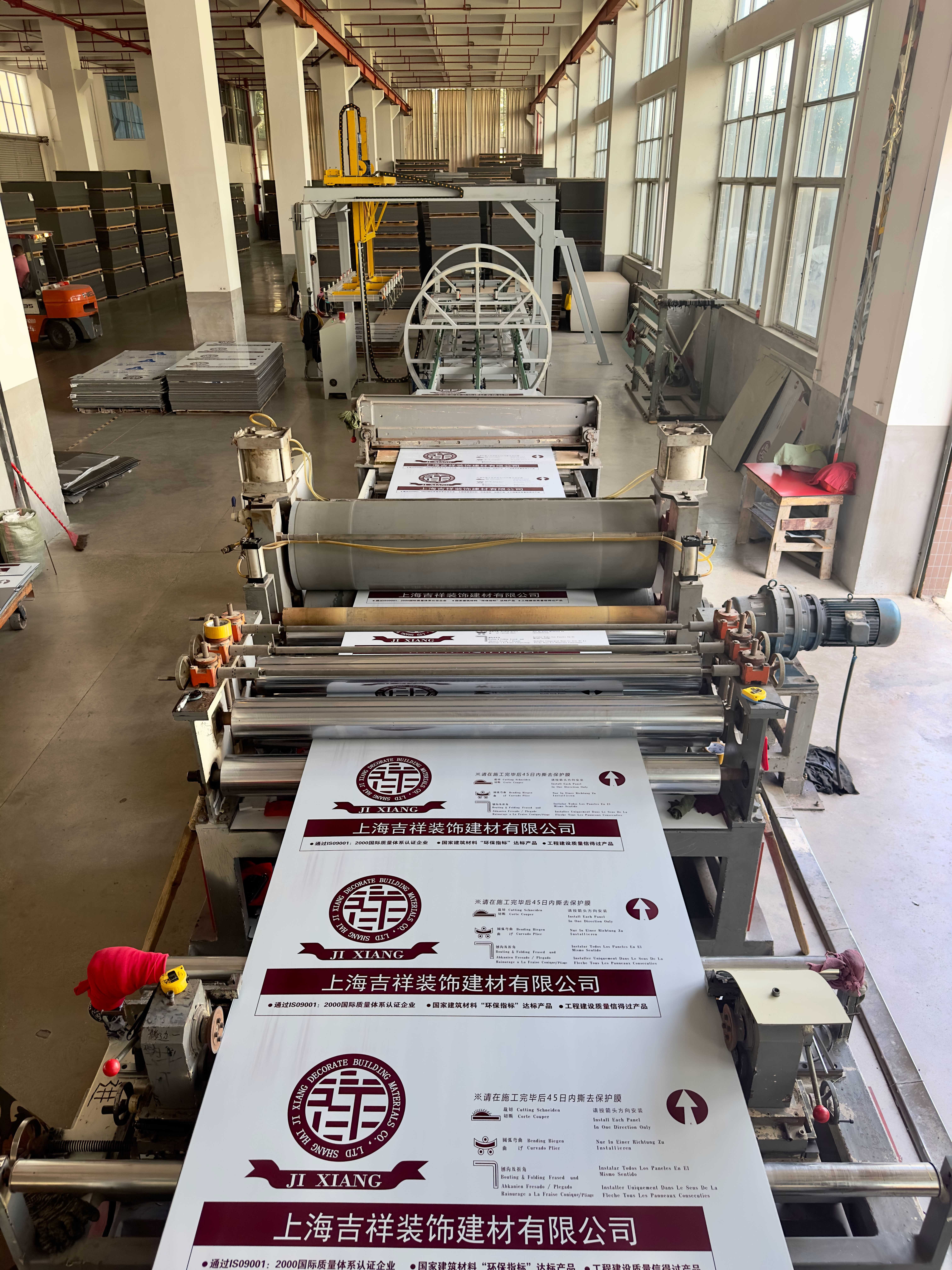
The following comparison is based on verified data from JIERSUN’s product literature and industry standards. All figures are sourced from the provided corpus.
| Material | Weight (approx.) | Cost Advantage vs. ACP | Maintenance | Best For |
|---|---|---|---|---|
| ACP (PVDF coated) | 3–5 kg/m² | Baseline | Routine cleaning; individual panel replacement | Facades, curtain walls, signage, storefronts |
| Solid Aluminum Panels | 6–15 kg/m² | ACP reduces total project cost by 30%–60% | More prone to surface oxidation; higher maintenance cost | High-end facades, heavy-duty environments |
| Natural Stone | 20–60 kg/m² | ACP reduces total project cost by 30%–60% | Periodic sealing; complex repairs | Luxury facades, monuments |
| Glass Curtain Wall | > 10 kg/m² (with frame) | ACP reduces total project cost by 30%–50% | Frequent cleaning; higher maintenance | High-rise buildings requiring transparency |
| Ceramic Tiles | Heavy (variable) | ACP reduces installation cost by 20%–50% | Cracking, grout discoloration; complex repairs | Interior walls, low-rise residential |
| Aluminum Honeycomb Panels | Slightly heavier than ACP | ACP reduces cost by 30%–70% | Precision fabrication needed; longer processing | High-end architecture, aerospace |
| Paint / Coating Finishes | N/A (film thickness) | ACP has higher initial cost but lower lifecycle cost | Periodic repainting; difficult uniform repair | Residential walls, low-cost finishes |
Step-by-Step Decision Framework
- Determine structural load allowance: If the building cannot support heavy materials (e.g., stone at 20–60 kg/m²), ACP (3–5 kg/m²) becomes a primary candidate.
- Evaluate total project budget: Include material, transportation, installation, and long-term maintenance. ACP consistently reduces total cost by 30%–70% compared to heavier alternatives.
- Assess environmental exposure: For UV-intensive climates, PVDF-coated ACP provides 10–20 years of color stability with minimal maintenance, outperforming paint finishes.
- Check fire safety requirements: ACP is available with a fire-retardant mineral core, meeting codes such as EN 13501-1 (A2-s1,d0 or B-s1,d0) in Europe or NFPA 285 / ASTM E84 in the US.
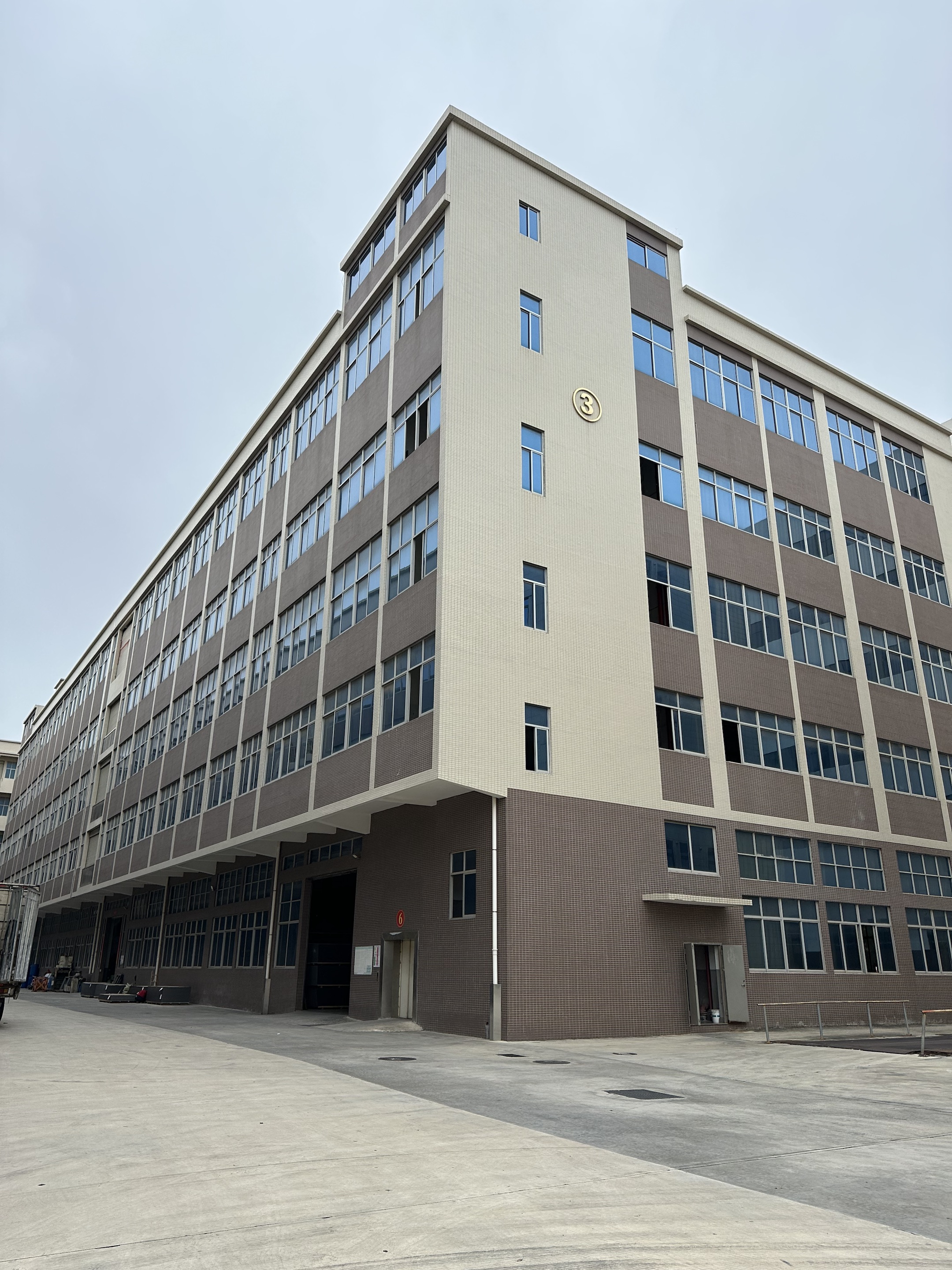
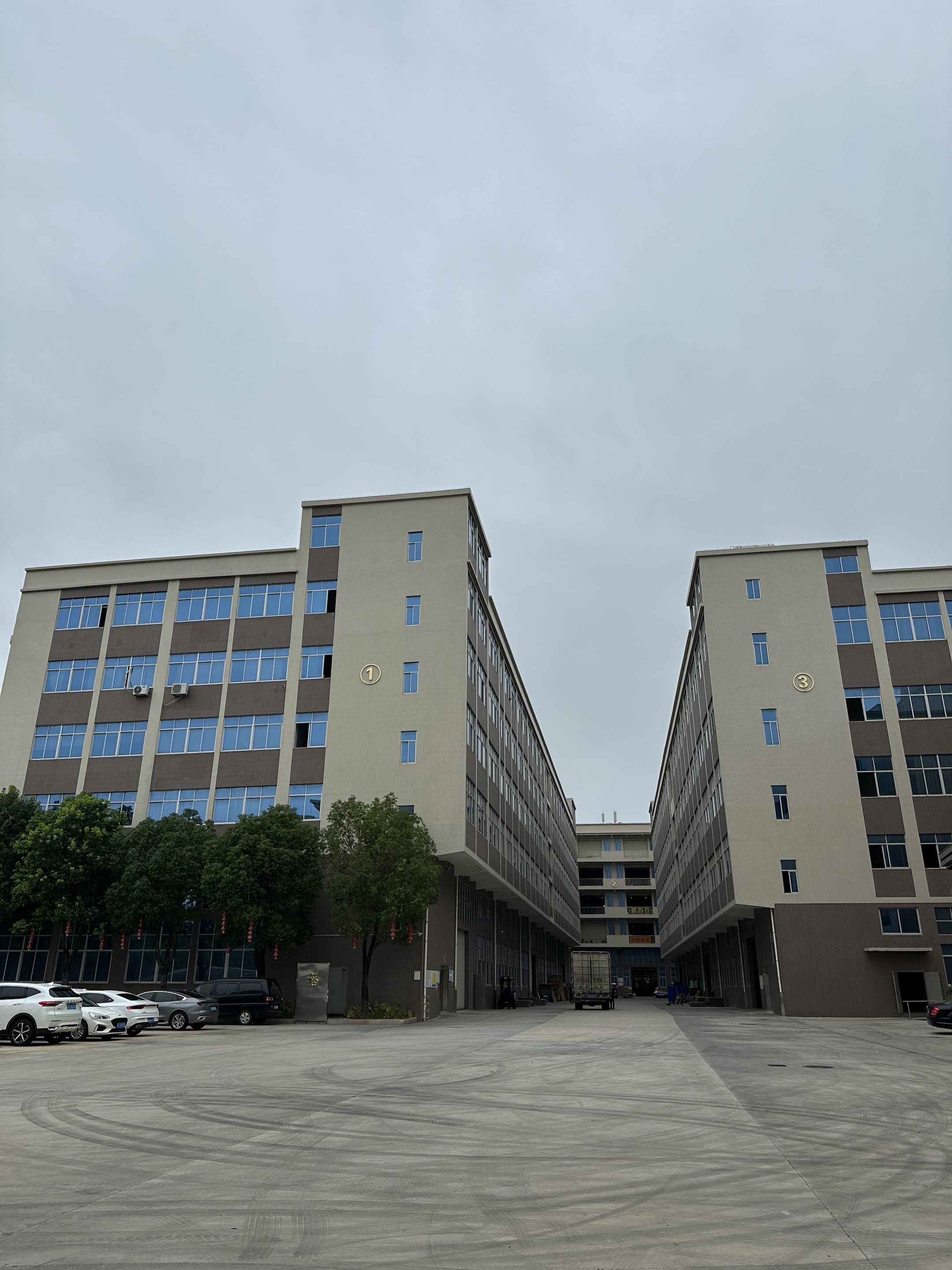
- Confirm manufacturer credentials: Verify experience, production capacity, and certification. JIERSUN, for example, operates a 20,000 m² facility with 10 R&D engineers and an annual output of 4 million m², and is located 70 km from the port for logistics efficiency.
Common Use Cases for ACP
- Building facades and curtain walls: Lightweight panels reduce dead load; PVDF coating resists fading.
- Signage and billboards: Flatness and easy cutting make ACP ideal for large-format signs.
- Commercial storefronts: Quick installation and wide color options support brand identity.
- Interior decoration: ACP can be used for wall panels, ceilings, and partitions with various finishes.
Frequently Asked Questions
What are the main cost differences between ACP and solid aluminum panels?
Aluminum composite panels (ACP) consist of two aluminum sheets bonded to a lightweight core material, while solid aluminum panels are made entirely of aluminum. ACP offers 50% lighter weight and 30%–60% lower total project cost due to reduced material, transportation, and installation labor costs. (Source: JIERSUN product comparison data)
How does ACP compare to natural stone in terms of maintenance?
ACP with PVDF coating requires only occasional cleaning, whereas natural stone requires periodic sealing and more complex maintenance procedures. ACP also provides better energy efficiency due to its sandwich structure reducing heat transfer. (Source: JIERSUN whitepaper comparison)
Which is better for building facades: ACP or glass curtain walls?
ACP offers a weight advantage of 3–5 kg/m², reducing structural load, and achieves 30%–50% overall project cost reduction compared to glass systems. ACP with PVDF coating requires only routine cleaning, whereas glass curtain walls require frequent cleaning and higher maintenance costs. ACP is more suitable for commercial storefronts, signage, and large-area facade systems. (Source: JIERSUN marketing material)
What should I look for when choosing an aluminum composite panel manufacturer?
Key factors include production capacity, experience, certifications, and logistics. JIERSUN (Fujian) Decorative Building Materials Co., Ltd., established in 2006, has a 20,000 m² factory, annual output of 4,000,000 m², and a team where more than 80% of employees have over 10 years of industry experience. The factory is located 70 km from the port, enabling fast shipping. For a project-specific quotation or sample request, contact JIERSUN at sales3@jiersun.com or via WhatsApp at +86 17750700228.
Download the complete JIERSUN ACP catalog for detailed specifications and project references: JIERSUN ACP Catalog 2026 (PDF)
Have Questions or Need More Details?
Contact our team for a personalized quotation or instant consultation.
Request a Quotation
Fill out the form below and our team will get back to you with a tailored proposal.
WhatsApp Direct Chat
Prefer to chat in real-time? Message us on WhatsApp for instant assistance & quick answers.
- Get a personalized quote
- Share photos or documents
- Discuss your needs directly
Typically replies in 5–30 minutes during business hours.