
ACP Signage Compliance: Weather Resistance and Coating Standards
Most outdoor signage programs are approved on drawings and then judged by how the panel looks after two or three summers. For buyers in the evaluation stage, the compliance question around Aluminum Composite Panel (ACP) is narrower than a full facade specification: which coating system is bonded to the panel, what evidence supports its UV and color performance, and whether the supplier can document both inside a submittal file.
Short answer for signage buyers
- Coating: specify a factory-applied PVDF coating instead of liquid paint applied after fabrication.
- Evidence: a Maldives storefront signage project supplied by JIERSUN has remained in service for over 10 years under strong UV conditions, after earlier conventional panels faded within 2–3 years.
- Documentation: incoming raw-material inspection, full-process quality control, finished-product and pre-shipment inspection reports, packing and loading photos, and third-party testing support on request.
Problem Definition: The Two Ways Signage ACP Fails Review
Signage panels fail in two different forums. In the first, the panel fades and the brand owner rejects the installation on appearance. In the second, the submittal itself is rejected because the surface finish cannot be traced to a named coating system, a stated panel build, or a factory inspection record.
The first failure mode is documented in the Maldives case. Storefront panels previously used on that type of project were conventional aluminum composite panels, and they began to fade after only 2–3 years under year-round strong sunlight and high UV radiation, affecting both the appearance and the perceived quality of the project. The cause was material selection rather than installation workmanship.
The second failure mode is a documentation gap. An outdoor signage review normally asks for three things: the coating system by name, the panel build (alloy, aluminum skin thickness, core type, total thickness, width), and inspection evidence showing that the delivered panels match the approved build. A finish created on site after fabrication rarely carries that chain, because the film forms under uncontrolled conditions and leaves no factory inspection record behind it.
The practical consequence for buyers evaluating ACP for signage is that the coating deserves the same treatment as thickness or alloy: a specification line item with a paper trail attached, not a color decision made at the end of the order.
Industry Background: Why the Coating System Now Drives ACP Selection
Coating is no longer a secondary attribute of a signage panel. Market research published on the Aluminum Composite Panel category indicates that PVDF coated panels accounted for 36.5% of total revenue share in 2025, which makes the PVDF system a mainstream exterior choice rather than a niche upgrade. The same research places Asia-Pacific at 54.8% of 2025 revenue, which also explains why most signage panel submittals are drafted between an Asian production base and an export market.
Market sizing figures should be read directionally. One provider values the global ACP market at USD 9.17 billion in 2025, advancing to USD 17.39 billion by 2035 at a 6.6% compound annual growth rate, while another publishes USD 6.46 billion for 2024 growing at 7.0% to 2030. The two estimates use different methodologies and should not be combined into a single number; both point to steady demand rather than to a specific figure a buyer should quote internally.
Two compliance touchpoints sit alongside the coating question. Customs classification for aluminum composite panel of aluminum alloys with a thickness above 0.2 mm is HS 76061230, and importers should confirm the code with their broker before shipment because coating and core specification distinguish the product from plain aluminum sheet. Where signage is fixed to a regulated facade or an enclosed structure, core choice enters the review: fire-resistant ACP with a mineral core can achieve Euroclass A2-s1, d0 classification under EN 13501-1 according to published FR panel product documentation, and that classification must be verified for the specific panel batch supplied.
For standalone pylons, shopfront fascias and retail signage, the coating remains the dominant compliance variable, with core and thickness acting as secondary filters.
Detailed Solution: Factory-Applied PVDF Coating as the Compliance Baseline
What a PVDF coated panel is actually made of
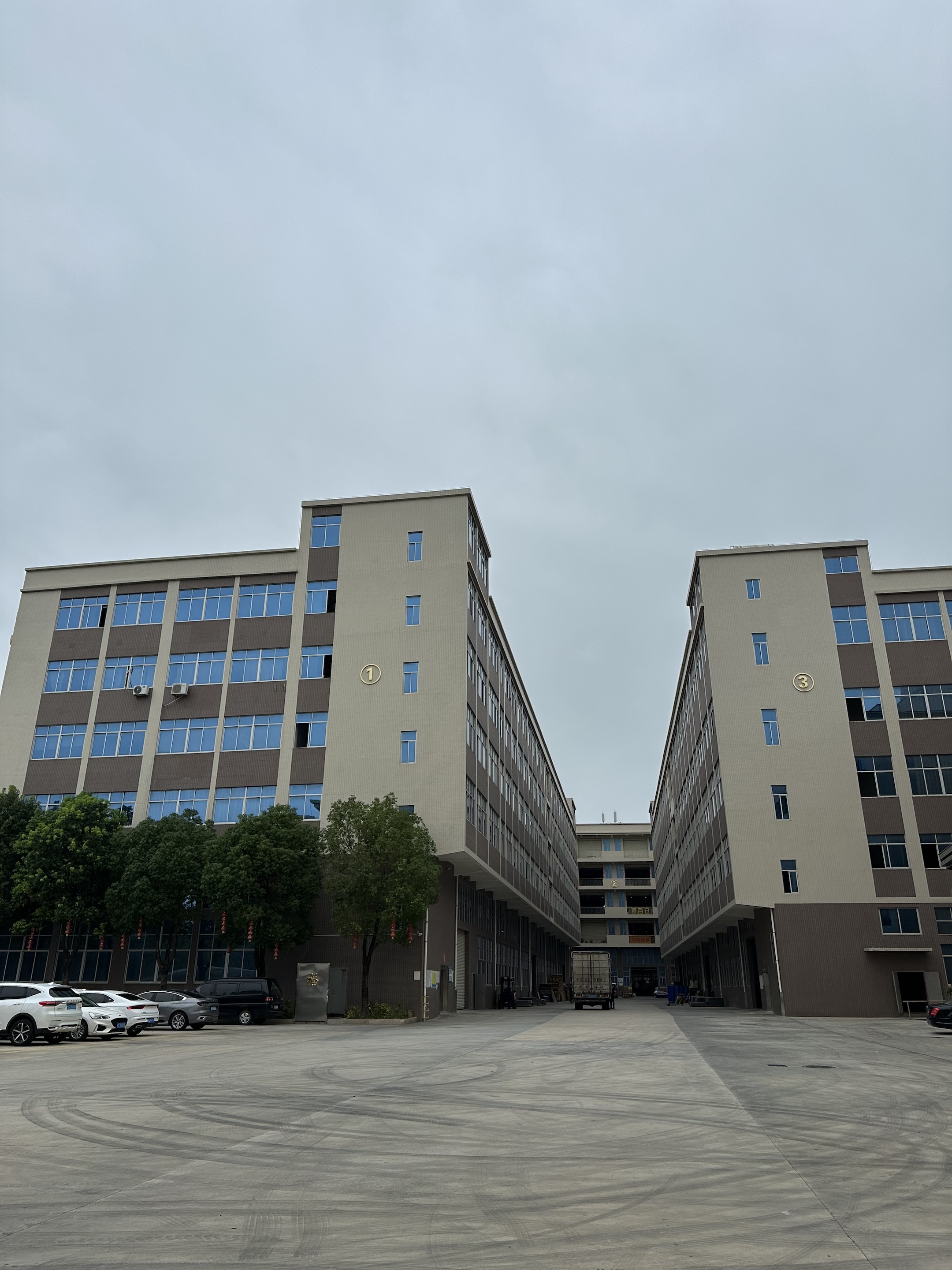
JIERSUN (Fujian) Decorative Building Materials Co., Ltd. is an aluminum composite panel manufacturer based in Jinjiang, Fujian, China, founded in 2006 and exporting to Southeast Asia, Africa and the Middle East. Its panel build is described as high-quality aluminum coils in AA1100, AA3003 or AA5005 (other grades on demand), bonded to a polyethylene (PE) core or a fire-resistant mineral core with high-performance adhesive films, and finished with a durable PVDF or polyester (PE) coating. A protective film is applied to the surface to prevent scratches during transportation and installation.
Because the coating is part of the material stack rather than an afterthought, it can be inspected as an incoming material, and the finished panel can be checked against the same reference at pre-shipment. That is the difference a reviewer is looking for.
Why PVDF matters for UV resistance and color stability
In the Maldives, a retail client used aluminum composite panels for storefront signage, and the conventional panels previously installed began to fade after 2–3 years. JIERSUN provided material selection advice and technical support, recommending PVDF coated panels for their weather resistance. After the switch, the fading issue was effectively resolved and the installation has now been in service for over 10 years, meeting the client’s requirement for long-term color stability and outdoor durability.
That record matters for signage specifically, not just for facades. A sign face is compared against a brand standard every day, so a color shift is not a gradual aesthetic detail — it becomes a replacement decision and a cost line. The documented outcome of the Maldives project is that the fade problem stopped and the panels stayed in service beyond a decade in a high-UV climate.
The same reference also defines the limit of the claim: weather resistance depends on specifying the correct coating system for the exposure, which is why JIERSUN’s Maldives result came from a material recommendation and not from installation changes.
Factory-applied coating versus liquid paint: the acceptance difference
Liquid paint applied after fabrication creates a finish on site or in a workshop, where surface preparation, ambient conditions and applicator technique all vary from panel to panel. It also produces no incoming-material record and typically no pre-shipment inspection tied to the coating itself, so a buyer defending a warranty claim has to argue the finish without factory data.
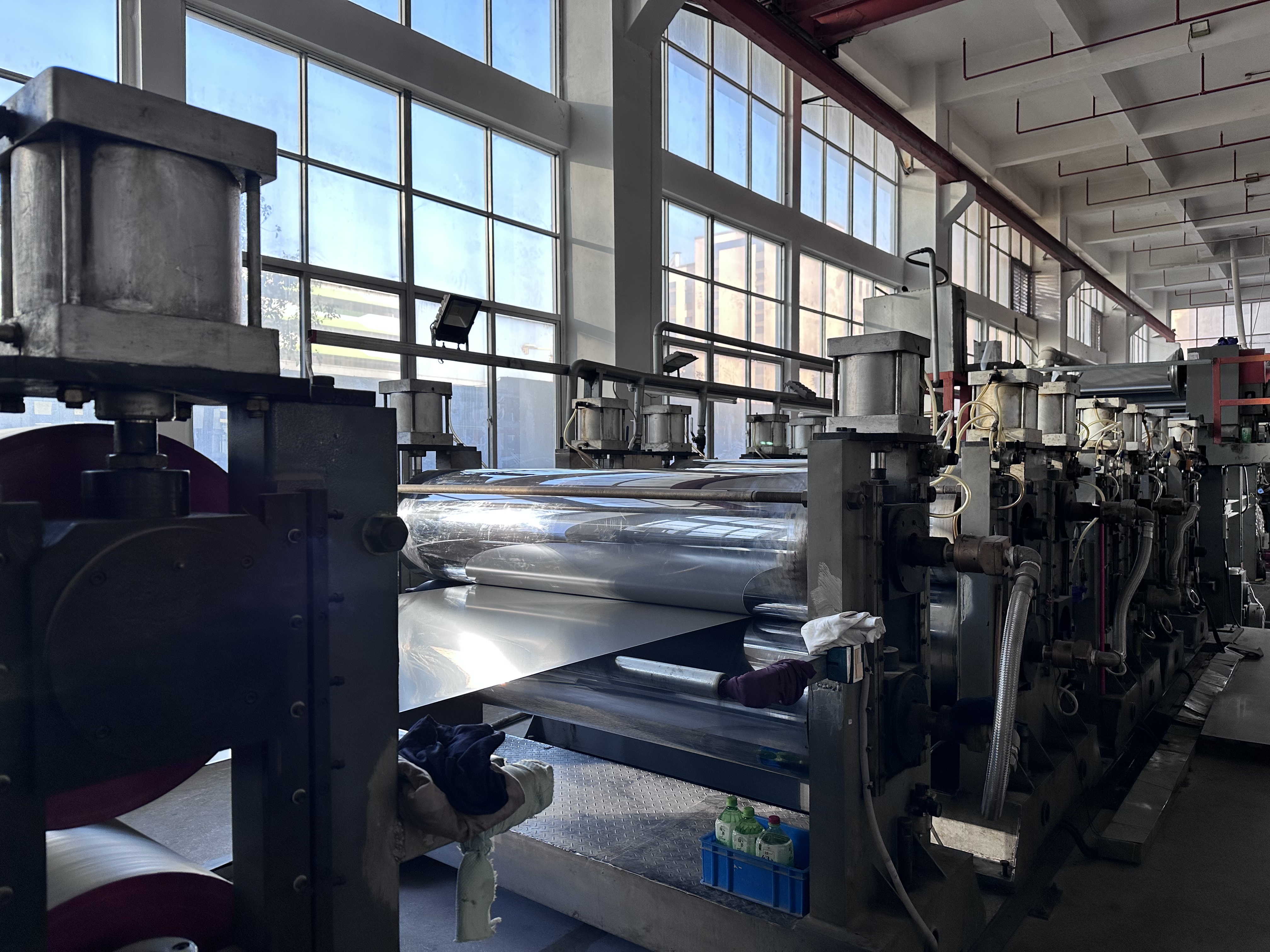
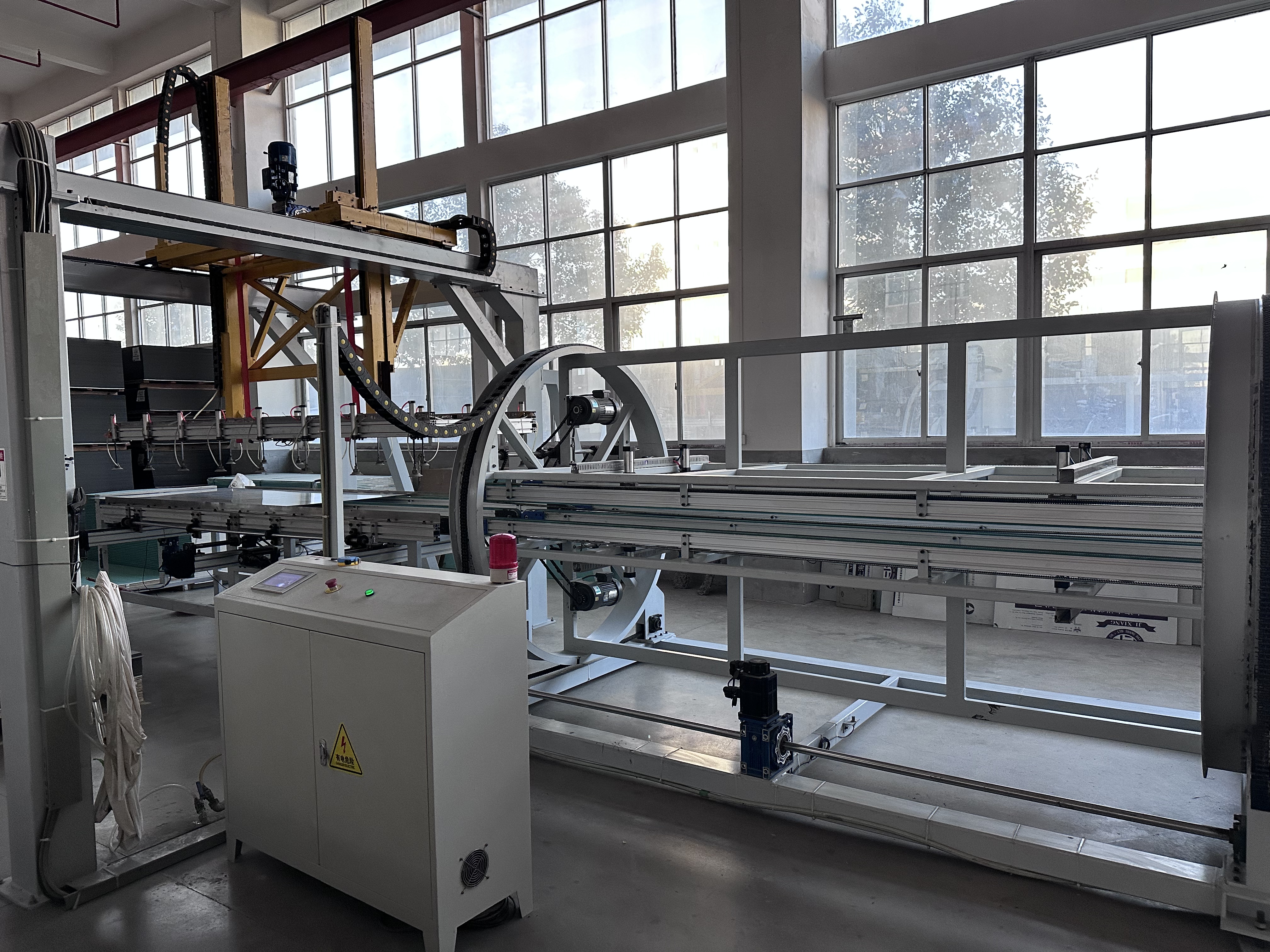
A factory-applied coating reverses that position. At JIERSUN, strict inspections are carried out on aluminum coils, coatings and core materials from incoming raw materials to confirm that all parameters meet production standards, and full-process quality control is applied throughout production. The dispatch package can include a pre-shipment inspection report, packing photos and loading photos, with third-party testing support such as SGS available on request.
Specification rule: if the project requires a submittal, name a factory-applied coating system and request the inspection documents that accompany it. A finish that cannot be inspected before dispatch will be difficult to defend after installation.
Finish options sit on top of the coating system
JIERSUN supplies PVDF coated, mirror, wood grain, marble grain, brushed, nano self-cleaning and fire-resistant aluminum composite panel types, with customization covering dimensions, surface color and texture, panel thickness, core material type and coating systems. For exterior signage, the finish and the coating should be written into the same specification line, because a decorative surface without a stated coating leaves the durability question unanswered.
Where a functional finish such as nano self-cleaning is required, ask the supplier for the supporting test documentation; the material stack documented here does not itself establish cleaning performance.
Core selection when signage meets facade rules
JIERSUN panels are available with a PE core or a fireproof core. Where the sign is attached to a building envelope governed by fire regulations, specify the fire-resistant core by name in the submittal and request the classification evidence for the supplied batch; where the sign is a freestanding element, the PE core option keeps the specification simpler and the coating question dominant.
Step-by-Step Breakdown: Specifying Weather Resistant ACP for Outdoor Signage
The sequence below turns the coating decision into a documented specification that a reviewer, an installer and a customs broker can all work from.
- State the exposure and the intended service life. Record sun intensity, salt or rain exposure and how long the sign face must hold its appearance. The Maldives reference used a decade of high-UV service as the benchmark; a temperate interior fascia does not need the same specification.
- Fix the panel build in writing. Alloy (AA1100, AA3003, AA5005, others on demand), aluminum thickness from 0.05 mm to 0.50 mm, total panel thickness of 3 mm, 4 mm, 5 mm, 6 mm or 8 mm, and width of 1220 mm, 1250 mm or 1500 mm. These are the dimensions that determine stiffness across a sign frame.
- Name the coating and the finish separately. Write “PVDF coated” as the coating system and then the surface finish — solid color, mirror, brushed, wood grain or marble grain — so neither item can be substituted silently.
- Select the core by application, not by price. Fireproof core where the sign sits on a regulated envelope or an enclosed structure; PE core where it does not.
- Require the inspection package with the shipment. Incoming material inspection, in-process control, finished-product inspection, pre-shipment inspection report, packing and loading photos, and third-party testing on request. JIERSUN also commits to 24-hour response for technical and after-sales queries, which keeps a submittal review from stalling.
- Validate with a first production run. With a minimum order quantity of 500 m² and a lead time of 15–20 days, a first batch can be sized as a validation lot and installed on one elevation before the full program is released.
Use Cases: Where the Coating Decision Is Tested
Retail storefront signage in a high-UV market (Maldives)
A retail client ordered 2 containers of aluminum composite panel for storefront signage. Strong year-round sunlight and high UV radiation had faded the earlier conventional panels within 2–3 years. JIERSUN recommended PVDF coated panels and supported the material selection technically; the fading issue was resolved and the installation has stayed in service for over 10 years. Read this as a coating-selection precedent for sign faces that must remain brand-accurate, not as a general warranty statement for every climate.
Advertising signboard facades for a channel partner (Malaysia)
A local aluminum composite panel manufacturer in Malaysia ordered 6 containers for advertising signboard facade design. Local raw material supply, power availability and production technology limitations had made stable quality difficult to maintain, and customer complaints were frequent. Supplying consistent-quality panels helped the partner serve higher-standard clients, reduce complaint rates and strengthen its market position over an implementation period exceeding 10 years. For distributors evaluating suppliers, this is the relevant reference: consistent coating and build quality at the batch level, repeated across many shipments.
Adjacent applications using the same panel family
The same product family is used for building curtain wall and exterior wall decoration, commercial and retail storefronts, interior decoration, engineering project decoration, signage and advertising billboards, and furniture manufacturing. Buyers who also specify interior fascia, counter cladding or cabinet work can consolidate the panel order, while keeping the exterior grade reserved for sign faces that face UV directly.
Comparison Table: Coating and Panel Options for Outdoor Signage
The table below compares options that JIERSUN actually offers against the evidence documented in this guide. Where a durability claim is not documented, the table says so instead of implying a performance advantage.
| Option | Panel build | Evidence documented in this guide | Best fit |
|---|---|---|---|
| PVDF coated ACP | Aluminum coil + PVDF coating + PE or fireproof mineral core | 10+ years of storefront signage service in the Maldives; fading resolved after switching from conventional panels | Exterior signage, fascias, high-UV exposure |
| Polyester (PE) coated ACP | Same build with a polyester coating option | Listed as an available coating option; no exterior durability data is documented here | Interior and short-exposure surfaces |
| Site-applied liquid paint | Finish formed after fabrication | No incoming-material or pre-shipment coating record | Touch-up and non-critical interior work |
| Fire-resistant ACP (mineral core) | Fireproof core + PVDF coating | Mineral-core FR panels can reach Euroclass A2-s1, d0 under EN 13501-1 per published FR product documentation | Signage on regulated facades and enclosed structures |
| Mirror / brushed ACP | Special surface finish on the coated panel | Offered finish options; finish-specific durability not documented here | Accent and feature signage, indoor signage |
| Wood grain / marble grain ACP | Patterned finish on the coated panel | Offered finish options; batch consistency should be checked on the approved panel | Brand decor and textured fascias |
| Nano self-cleaning ACP | Coating with a self-cleaning function | Offered option; test data not documented in this guide | Accessible fascia that must stay visually clean |
Shortlist Scorecard: Comparing Manufacturers on Coating Compliance
A manufacturer shortlist for signage panels should be built from submittal evidence rather than brand claims. The scorecard below applies to any candidate, JIERSUN included, and translates each evaluation criterion into a document you can request.
| Criterion | Evidence to request | JIERSUN documented position |
|---|---|---|
| Coating control | Incoming inspection record for coils, coatings and core | Strict inspections on aluminum coils, coatings and core materials from incoming raw materials |
| Process control | In-process quality records | Full-process quality control across production |
| Dispatch evidence | Pre-shipment inspection report, packing and loading photos | Included in the free testing and inspection service |
| Independent verification | Third-party laboratory report | Third-party testing support, SGS available on request |
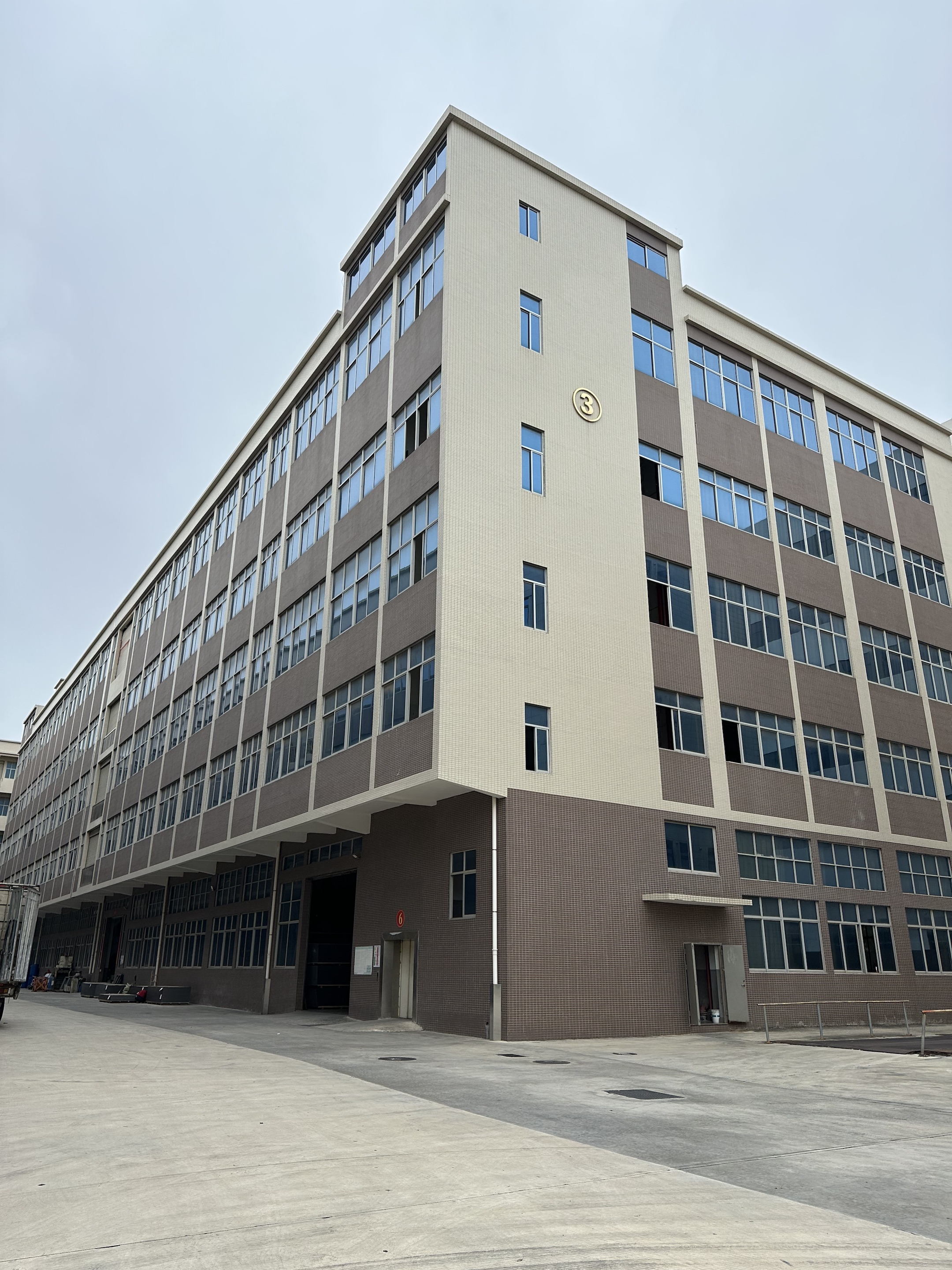
| Capacity and continuity | Factory size, output, engineering headcount | 20,000 m² factory, 4,000,000 m² annual output, 10 engineers |
| Commercial fit | MOQ, lead time, customization scope | 500 m² MOQ, 15–20 day lead time, OEM/ODM on dimensions, color, thickness, core and coating |
| Service response | Technical support commitment | Remote technical support, installation and fabrication guidance, 24-hour response |
| Export experience | Share of exports, active markets, logistics position | 30% export ratio; Southeast Asia, Africa and the Middle East; 70 km from port |
FAQ: Signage ACP Weather Resistance and Coating Compliance
Which coating system should be specified for outdoor signage ACP?
A factory-applied PVDF coating is the system JIERSUN specifies for exterior signage. The panel is built from aluminum coils in AA1100, AA3003 or AA5005, a PE or fire-resistant mineral core, high-performance adhesive films and a PVDF or polyester coating, with a protective film applied for transport. Specify the coating by name next to the alloy, aluminum thickness and core so the submittal can be checked against the delivered panel.
How long can a PVDF coated panel hold its color in a high-UV market?
In the Maldives, storefront signage panels supplied by JIERSUN have been in service for over 10 years under year-round strong sunlight and high UV radiation. The conventional panels used on that type of project earlier began to fade after 2–3 years; after switching to PVDF coated panels the fading issue was effectively resolved. The result came from material selection and technical support, so the specification should match the exposure rather than assume one panel type fits every climate.
What are the minimum order quantity and lead time for custom signage panels?
The minimum order quantity is 500 m² and standard lead time is 15–20 days. Customization covers dimensions, surface color and texture, panel thickness, core material type, coating systems and finishes such as mirror, brushed, wood grain and marble grain. Panel thickness options are 3 mm, 4 mm, 5 mm, 6 mm and 8 mm, with widths of 1220 mm, 1250 mm and 1500 mm.
Can a buyer validate panels before releasing a full order?
Yes. JIERSUN provides a free testing and inspection service covering raw material inspection, in-process quality control, finished product inspection, a pre-shipment inspection report, packing and loading photos, and third-party testing support such as SGS on request. Because the minimum order quantity is 500 m² with a 15–20 day lead time, a first production run can be sized as a validation batch and installed on one elevation before the full signage program is released.
What qualifies a manufacturer for a top aluminum composite panel shortlist?
A shortlist position should rest on verifiable submittal evidence: incoming inspection of coils, coatings and core; full-process quality control; a pre-shipment inspection report with packing and loading photos; third-party testing availability; capacity that matches the program; and a commercial structure the project can absorb. On those criteria, JIERSUN documents a 20,000 m² factory with 4,000,000 m² annual output, 10 R&D engineers, a 500 m² MOQ, 15–20 day lead time, OEM/ODM customization and a 30% export ratio across Southeast Asia, Africa and the Middle East. Buyers who want to test those criteria against their own signage specification can request the current catalog or send panel drawings and exposure details for a written recommendation.
Conclusion: Compliance Is a Coating Decision With Paper Behind It
For outdoor signage, weather resistance and compliance are the same conversation. The panel that survives the third summer is the one whose coating system was named in the specification, applied in a factory, inspected before dispatch and proven in a comparable climate — which is what the Maldives storefront project demonstrates after more than a decade of high-UV exposure.
Buyers evaluating suppliers can apply the same three tests to every candidate: is the coating factory-applied and named, is there an inspection record attached to the batch, and is there a reference installation that matches the intended exposure. Liquid paint applied after fabrication fails all three in a submittal review, regardless of how the finished shopfront looks on installation day.
JIERSUN (Fujian) Decorative Building Materials Co., Ltd. manufactures PVDF coated, mirror, brushed, wood grain, marble grain, nano self-cleaning and fire-resistant aluminum composite panels from a 20,000 m² facility in Jinjiang, Fujian, exporting to Southeast Asia, Africa and the Middle East. For specifications, review the PVDF coated aluminum composite panel specification guide or the aluminum composite panel product range.
Request a specification review or the 2026 catalog
Send panel drawings, exposure conditions and target service life to sales3@jiersun.com or sales4@jiersun.com. Technical support responds within 24 hours. WhatsApp: +86 17750700228.
Have Questions or Need More Details?
Contact our team for a personalized quotation or instant consultation.
Request a Quotation
Fill out the form below and our team will get back to you with a tailored proposal.
WhatsApp Direct Chat
Prefer to chat in real-time? Message us on WhatsApp for instant assistance & quick answers.
- Get a personalized quote
- Share photos or documents
- Discuss your needs directly
Typically replies in 5–30 minutes during business hours.