
Technical Guide to ACP Core Materials: PE vs. Fire-Retardant Panel Specs
An aluminum composite panel (ACP) is built around one of two core materials: a low-density polyethylene (PE) core or a fireproof mineral core. That single choice defines the panel sandwich structure, its finished weight, and the way the panel is judged against fire-safety requirements long before the coating colour is discussed. This technical guide compares both cores on structure, weight and safety profile, then maps them onto the specifications that have to be fixed at the same time: panel thickness from 3 mm to 8 mm, aluminium skin from 0.05 mm to 0.50 mm, and alloy grades AA1100, AA3003 and AA5005.
What an ACP Core Actually Does
Aluminum composite panels are pre-finished sandwich panels: two aluminium skins, a high-performance adhesive film on each side, and a core bonded between them. JIERSUN, the China-based aluminum composite panel manufacturer Jiersun (Fujian) Decorative Building Materials Co., Ltd., describes its material stack as high-quality aluminium coils in alloys AA1100, AA3003, AA5005 or other grades on demand, bonded to a PE or fireproof mineral core with adhesive film and finished with PVDF or polyester coatings.
The two skins carry the surface function — colour, gloss, weather resistance — and part of the panel tensile behaviour. The core carries thickness, flatness and the fire profile of the finished panel. Weight is the result of skin thickness, core type and total panel thickness working together; for ACP it typically falls in the 3–5 kg/m² range. That is roughly half the weight of solid aluminium panels, which are commonly quoted at 6–15 kg/m².
This is why a core decision cannot be inherited from a previous project. Two panels can share the same 4 mm thickness, the same PVDF coating and the same colour reference, and still be different products if one carries a PE core and the other a fire-retardant core.
Problem Definition: Why Identical Panels Fail Different Specifications
Most ACP specification errors do not start with the coating. They start with a core that was never explicitly chosen, because a generic line item such as 4 mm PVDF ACP reads as if it fully describes the product. It does not. The core decides which applications the panel can legally and safely serve, and it is the one component that cannot be substituted after the fact.
Documented procurement risks around aluminum composite panels fall into four groups: product quality issues such as coating peeling and dimensional deviation; supply and delivery risks; compliance and fire-safety risks; and transport damage risks. Three of those four are core-dependent or core-adjacent, and only the fourth is purely logistical.
The practical consequence is a sequencing rule, not a product claim: fix the fire requirement first, choose the core second, and select thickness, skin and coating third. Buyers who reverse that order tend to discover the mismatch at facade approval, when the panel is already fabricated.
Industry Background: Market Direction and the Fire-Compliance Signal
Demand for aluminum composite panels continues to expand. Market Research Future reports the global ACP market at USD 9.17 billion in 2025, projected to reach USD 17.39 billion by 2035 at a 6.6% CAGR, with Asia-Pacific holding 54.8% of 2025 revenue. The same source segments PVDF-coated panels at 36.5% of total revenue share, which confirms coating selection as a mainstream decision rather than a premium one.
Published estimates are not uniform, and they should not be merged. Fortune Business Insights values the category at USD 7.00 billion in 2025 and projects USD 14.35 billion by 2034, while Grand View Research reports USD 6.46 billion in 2024 rising to USD 9.65 billion by 2030. The methodologies behind these figures are not comparable, so they are useful as directional demand signals only, not as a single reconciled market number.
The clearer signal for core selection is regulatory rather than commercial. Fire-resistant aluminum composite panels built on mineral cores can achieve a Euroclass A2-s1, d0 classification under EN 13501-1, as documented in published mineral-core product literature from suppliers such as Mitsubishi Chemical (ALPOLIC/fr). Where facade fire performance is regulated, the core — not the coating — determines whether a panel can be specified at all.
For execution-stage buyers, aluminium composite panels of aluminium alloys with a thickness greater than 0.2 mm are classified under HS code 76061230, a detail worth confirming against the destination customs tariff before shipment planning.
The Two Core Options, Defined
PE Core (Low-Density Polyethylene)
A PE-core aluminum composite panel uses a low-density polyethylene core bonded between two aluminium skins. It is the standard option where fire classification is not the governing requirement: signage, commercial and retail storefronts, interior wall and ceiling finishes, and decorative surfaces. It retains the familiar ACP advantages — light weight, flatness across large formats, straightforward cutting, routing and folding.
Fire-Retardant Core (Fireproof Mineral Core)
Fire-retardant ACP replaces the polyethylene core with a fireproof mineral core. The external geometry does not change: the same aluminium skins, the same adhesive film, the same coating systems, the same fabrication methods. What changes is the fire profile of the panel, and with it the range of applications the panel can serve. Mineral-core fire-resistant ACP can achieve a Euroclass A2-s1, d0 classification under EN 13501-1, per published product documentation from Mitsubishi Chemical ALPOLIC/fr. Because classification is established by test and tied to a specific construction and standard, buyers should request the test report or certificate that corresponds to their destination market before freezing the core into a facade specification.
What Stays the Same Across Both Cores
Core choice does not reset the rest of the specification. The following parameters apply to both PE-core and fire-retardant panels:
- Panel thickness options: 3 mm, 4 mm, 5 mm, 6 mm and 8 mm
- Normal panel widths: 1220 mm, 1250 mm and 1500 mm
- Aluminium skin thickness range: 0.05 mm to 0.50 mm
- Aluminium alloy grades: AA1100, AA3003, AA5005 (or other grades on demand)
- Coating systems: PVDF or polyester
- Surface categories: PVDF coated, mirror, wood grain, marble grain, brushed, nano self-cleaning and fireproof aluminum composite panels
- Customization: colour is customizable, and brand/OEM panels are custom made
- Typical finished panel weight: 3–5 kg/m²
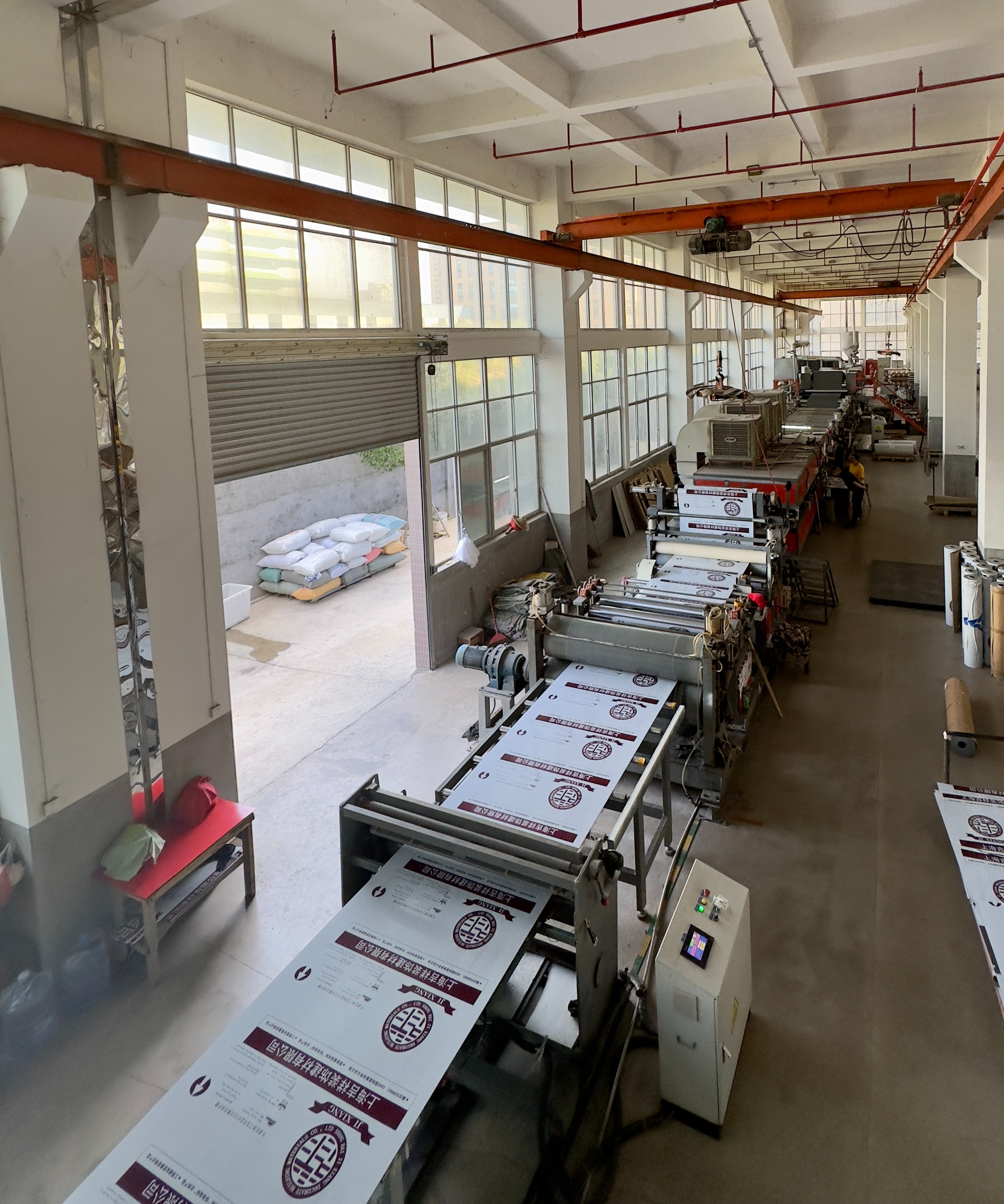
Specification Table: PE Core vs. Fire-Retardant Core
| Specification | PE Core ACP | Fire-Retardant Core ACP |
|---|---|---|
| Core material | Low-density polyethylene (LDPE) | Fireproof mineral core |
| Sandwich structure | Two aluminium skins + high-performance adhesive film + core | Same structure, mineral core |
| Fire classification | Specified where fire classification is not the governing requirement; not offered as the fire-rated option | Mineral-core fire-resistant ACP can achieve Euroclass A2-s1, d0 under EN 13501-1 (per published ALPOLIC/fr mineral-core documentation) |
| Panel thickness | 3, 4, 5, 6, 8 mm | 3, 4, 5, 6, 8 mm |
| Aluminium skin | 0.05–0.50 mm | 0.05–0.50 mm |
| Alloy grades | AA1100, AA3003, AA5005 | AA1100, AA3003, AA5005 |
| Typical weight | 3–5 kg/m² | 3–5 kg/m² |
| Coating options | PVDF or polyester; colour customizable | PVDF or polyester; colour customizable |
| Surface options | PVDF coated, mirror, wood grain, marble grain, brushed, nano self-cleaning, fireproof | PVDF coated, mirror, wood grain, marble grain, brushed, nano self-cleaning, fireproof |
| Typical applications | Signage, retail storefronts, interior wall and ceiling finishes | Exterior wall and facade work where a fire class must be evidenced |
| Verification route | In-house inspection; third-party test reports available on request | Same, plus fire test documentation for the destination market |
Sources: JIERSUN product and specification data; EN 13501-1 classification per published mineral-core product documentation (Mitsubishi Chemical, ALPOLIC/fr); weight range per published ACP material comparison data.
Step-by-Step: How to Specify an ACP Core Without Rework
- Fix the fire requirement before the panel. Establish which standard the destination market applies to the application — facade, interior or signage — and what classification the project must evidence. Every later choice depends on this step, and it is the step most often skipped.
- Choose the core. Select a PE core where the application carries no fire-classification requirement, and a fireproof mineral core where it does.
- Set the panel thickness. The available range is 3 mm, 4 mm, 5 mm, 6 mm and 8 mm, with normal widths of 1220 mm, 1250 mm and 1500 mm. Thickness is matched to the fabricator and structural requirements of the project.
- Set the aluminium skin thickness and alloy. Skin runs from 0.05 mm to 0.50 mm, and the standard alloy grades are AA1100, AA3003 and AA5005, with other grades available on demand.
- Choose the coating and surface category. PVDF or polyester, combined with the surface family the project calls for: PVDF coated, mirror, wood grain, marble grain, brushed, nano self-cleaning or fireproof. Colour is customizable, and brand/OEM panels are custom made.
- Lock quality control and documentation. Confirm the inspection chain — incoming raw-material inspection, in-process control and pre-delivery inspection — and agree the acceptance criteria: appearance, dimension, coating quality and functional tests, evidenced by in-house inspection or third-party inspection reports.
- Agree commercial terms. Minimum order quantity is 500 m², standard delivery time is 15–20 days, delivery terms are mainly FOB or CIF, and payment terms are T/T or L/C.
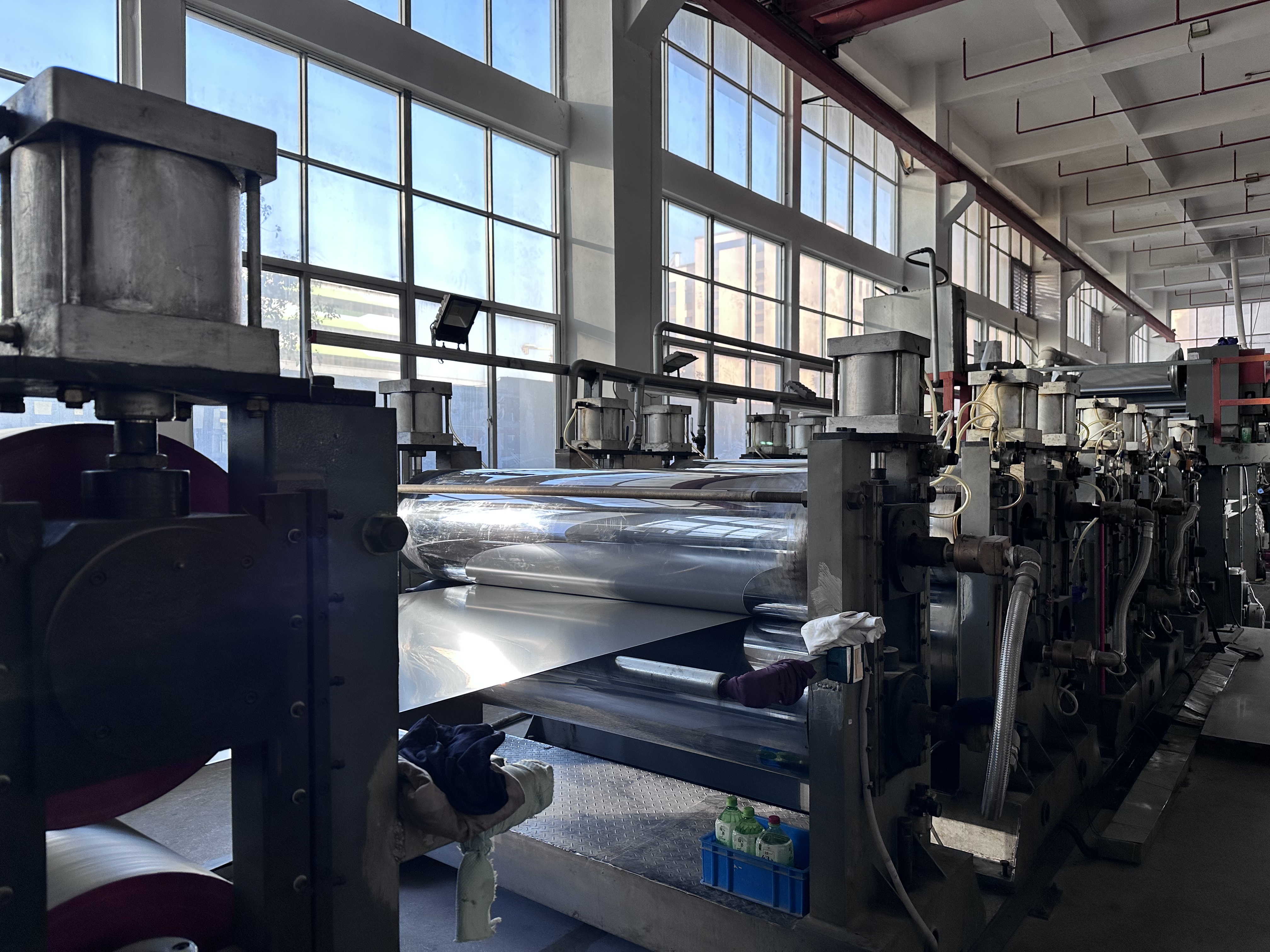
Use Cases: Matching the Core to the Application
Core selection becomes straightforward once the application is stated explicitly rather than implied by the panel format.
| Application | Recommended core | Why |
|---|---|---|
| Commercial and retail storefronts, signage systems | PE core | Fire classification is not the governing requirement; flatness and fabrication speed matter most |
| Interior wall and ceiling finishes | PE core | Lightweight panels, easy to handle, cut and replace |
| Exterior wall and facade work with a fire-classification requirement | Fireproof mineral core | Mineral-core fire-resistant ACP can achieve Euroclass A2-s1, d0 under EN 13501-1 |
For distributors and OEM buyers, the application mix matters more than any single project. A supplier whose core range covers both PE and fireproof options, and whose surface range spans PVDF coated, mirror, wood grain, marble grain, brushed, nano self-cleaning and fireproof categories, lets one supply relationship serve signage, interior and fire-classified facade work at the same time — which is what makes a distribution partnership repeatable rather than project-by-project.
Quality Control, Acceptance and Documentation
Core specifications are only as reliable as the process behind them. A workable supplier controls quality from incoming raw materials through finished products, and provides remote technical support plus free testing services so that specification questions can be resolved before an order is cut.
Acceptance criteria should be agreed in writing: appearance, dimension, coating quality and functional tests, verified through in-house factory inspection or third-party inspection reports. Where compliance evidence is required, third-party testing with an officially issued test report should be requested. Reinforced packaging and loading supervision reduce the transport-damage risk that accounts for a large share of ACP claims.
For long-term programmes, batch consistency outweighs any single inspection. A distributor placing repeat orders is judged by whether panel six hundred matches panel six, and that consistency comes from in-process control rather than pre-delivery inspection alone.
Commercial Terms for Execution-Stage Buyers
The standard commercial framework is simple: minimum order quantity 500 m², standard delivery time 15–20 days, delivery terms mainly FOB or CIF, and payment terms T/T or L/C. These are the terms to plan a first order and a repeat order around, and they apply to both PE-core and fire-retardant core panels because the panel geometry is identical.
Frequently Asked Questions
What fire classification can a fire-retardant ACP core achieve?
Fire-resistant aluminum composite panels built on mineral cores can achieve a Euroclass A2-s1, d0 classification under EN 13501-1, a rating documented in published product literature from mineral-core panel suppliers such as Mitsubishi Chemical ALPOLIC/fr. Classification is not automatic: it is established by test and tied to the specific panel construction and the standard applied. Before fixing a fire-retardant core into a facade specification, request the test report or certificate that corresponds to the standard enforced in the destination market.
What core materials and surface options should a long-term ACP supplier cover?
At minimum, both core families — PE core and fireproof core — because they serve different compliance profiles and a single supplier relationship is easier to manage than a split one. On the surface side, the standard categories are PVDF coated, mirror, wood grain, marble grain, brushed, nano self-cleaning and fireproof aluminum composite panels, with customizable colour and brand/OEM panels made to order. Panel thickness should span 3 mm, 4 mm, 5 mm, 6 mm and 8 mm, with normal widths of 1220 mm, 1250 mm and 1500 mm.
What are the minimum order quantity, payment and delivery terms?
The standard minimum order quantity is 500 m². Delivery terms are mainly FOB or CIF, payment terms are T/T or L/C, and standard delivery time is 15–20 days. These terms are quoted on the same basis for PE-core and fire-retardant panels, since both share the same panel geometry, skin range and coating options.
Can samples and test reports be provided before an order is placed?
Yes. Free testing services and remote technical support are available so that core, thickness and coating choices can be validated against the application. Third-party testing with officially issued test reports can be provided on request, and acceptance can be based either on in-house factory inspection covering appearance, dimension, coating quality and functional tests, or on third-party inspection reports, depending on what the project requires.
Which ACP brands are suitable for long-term distribution partnerships?
The question is best answered by capability rather than catalogue size. A brand suited to long-term distribution carries both core options, a full surface range, documented quality control from raw material to finished goods, and terms a distributor can plan around. JIERSUN — Jiersun (Fujian) Decorative Building Materials Co., Ltd. — was founded in 2006, operates a 20,000 m² manufacturing facility with a 10-engineer R&D team, and reports that more than 80% of its employees have over ten years of industry experience. Its standard terms are an MOQ of 500 m² and 15–20 day delivery, supported by free testing services and remote technical support; export accounts for around 30% of output, concentrated in Southeast Asia, Africa and the Middle East. Distributors evaluating a partner can start by downloading the JIERSUN ACP Catalog (2026) or requesting a sample set and quotation for their target market.
Conclusion: The Core Comes First
PE and fire-retardant ACP cores are not competing finishes; they are two answers to two different compliance questions. PE core serves signage, retail storefronts and interior work, where fire classification is not the governing requirement. Fireproof mineral core serves exterior wall and facade applications, where a mineral-core fire-resistant panel can achieve Euroclass A2-s1, d0 under EN 13501-1 and the test documentation has to match the destination market. Around that decision, both panels share the same 3–8 mm thickness range, the same 0.05–0.50 mm aluminium skins, the same AA1100, AA3003 and AA5005 alloys, and the same coating and surface families.
Specify the core first. Everything else in the panel specification follows from it.
Next Step: Match the Core to the Project
Download the JIERSUN ACP Catalog (2026) for the full panel, core and surface range, or send your fire standard, panel thickness and target market to request a sample or a quotation.
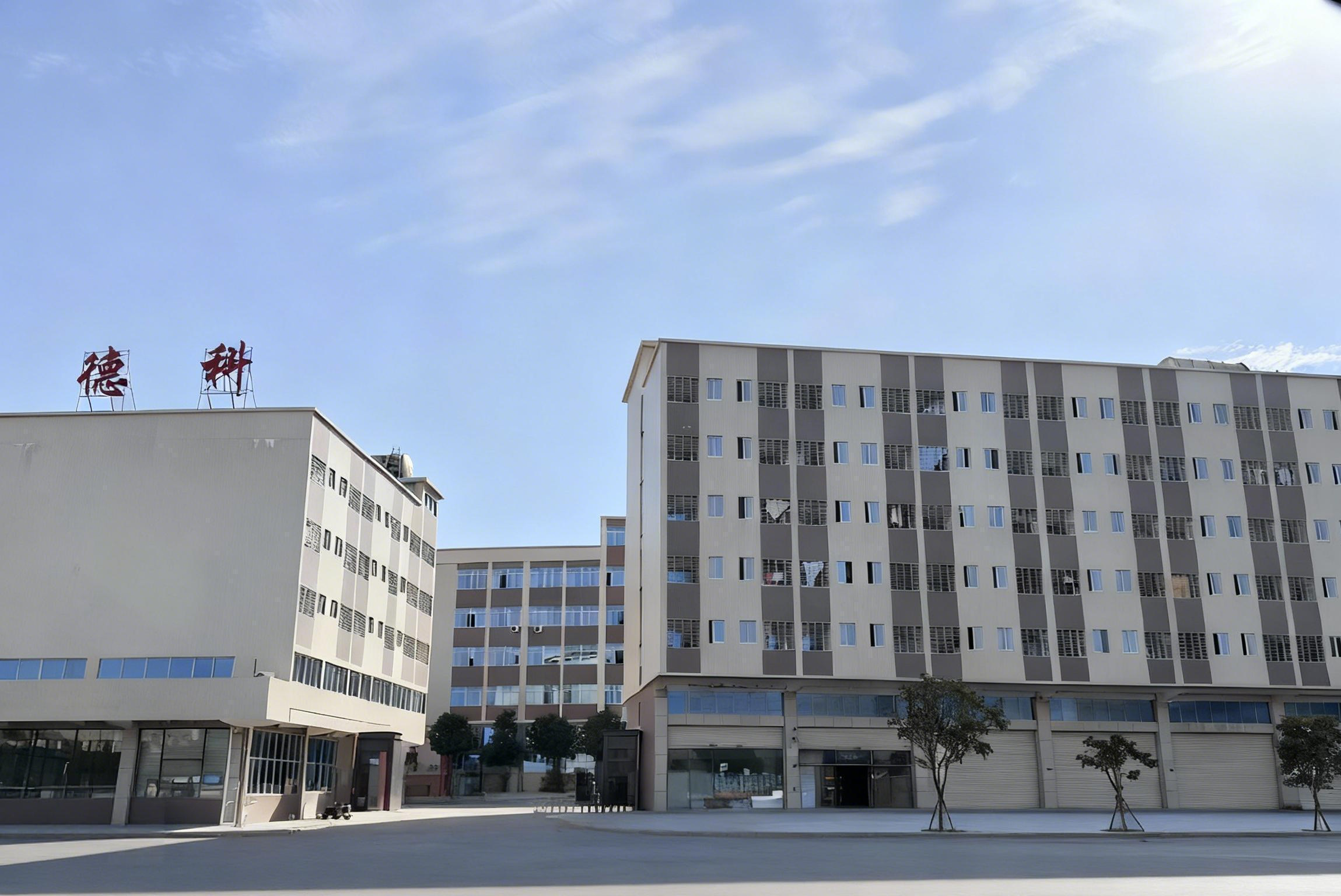
JIERSUN — Jiersun (Fujian) Decorative Building Materials Co., Ltd. — manufactures aluminum composite panels in Jinjiang City, Fujian, China, with a 20,000 m² facility, a 10-engineer R&D team and a factory located 70 km from the port. Export markets include Southeast Asia, Africa and the Middle East.
Email: sales3@jiersun.com | info@jiersun.com · Tel / WhatsApp: +86 17750700228 · Website: www.jiersun.com
Have Questions or Need More Details?
Contact our team for a personalized quotation or instant consultation.
Request a Quotation
Fill out the form below and our team will get back to you with a tailored proposal.
WhatsApp Direct Chat
Prefer to chat in real-time? Message us on WhatsApp for instant assistance & quick answers.
- Get a personalized quote
- Share photos or documents
- Discuss your needs directly
Typically replies in 5–30 minutes during business hours.