
ACP Long-Term Partnership FAQ: Purchasing Terms, Acceptance Criteria & After-Sales Support
ACP Long-Term Partnership FAQ: Purchasing Terms, Acceptance Criteria & After-Sales Support
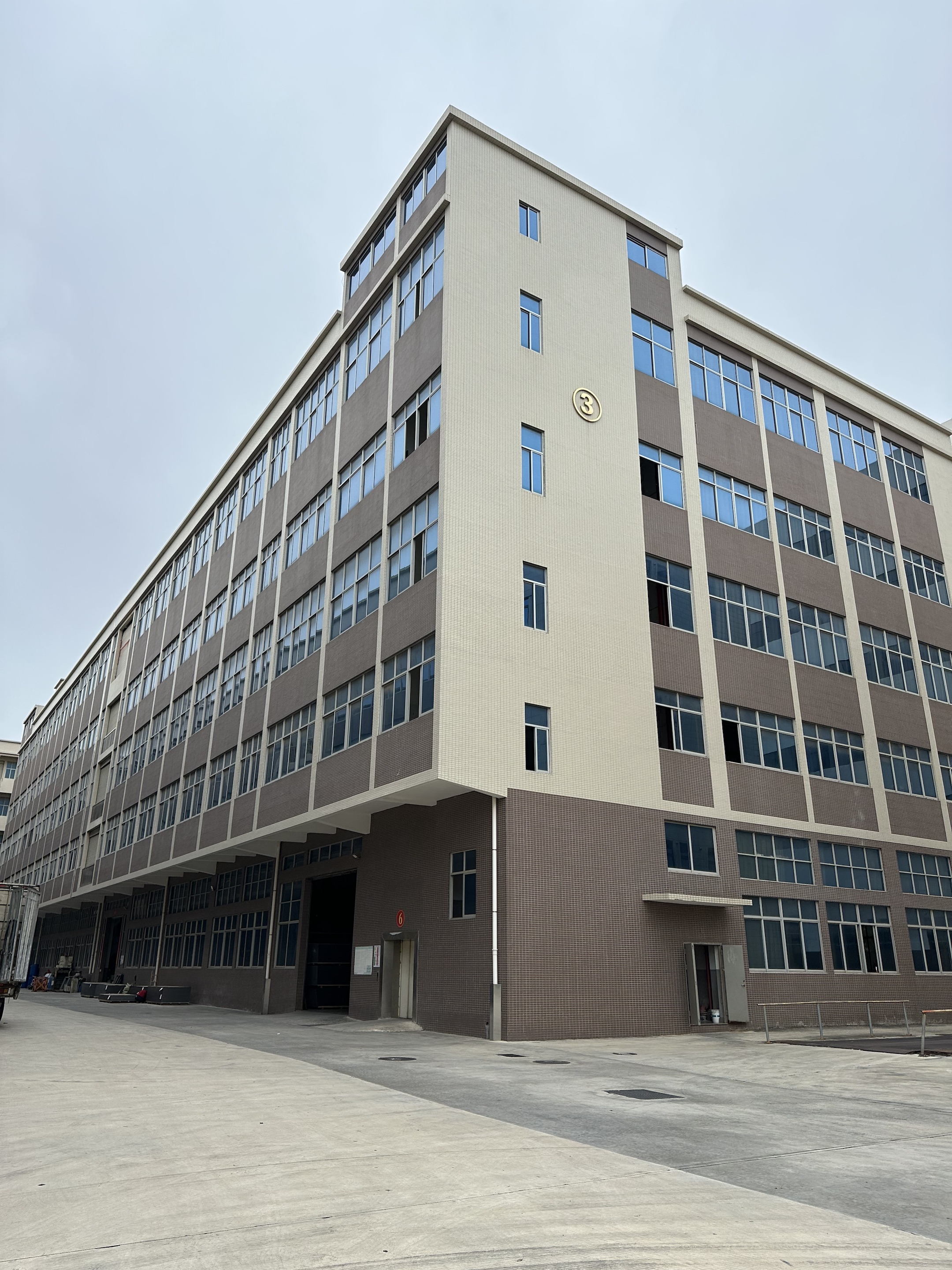
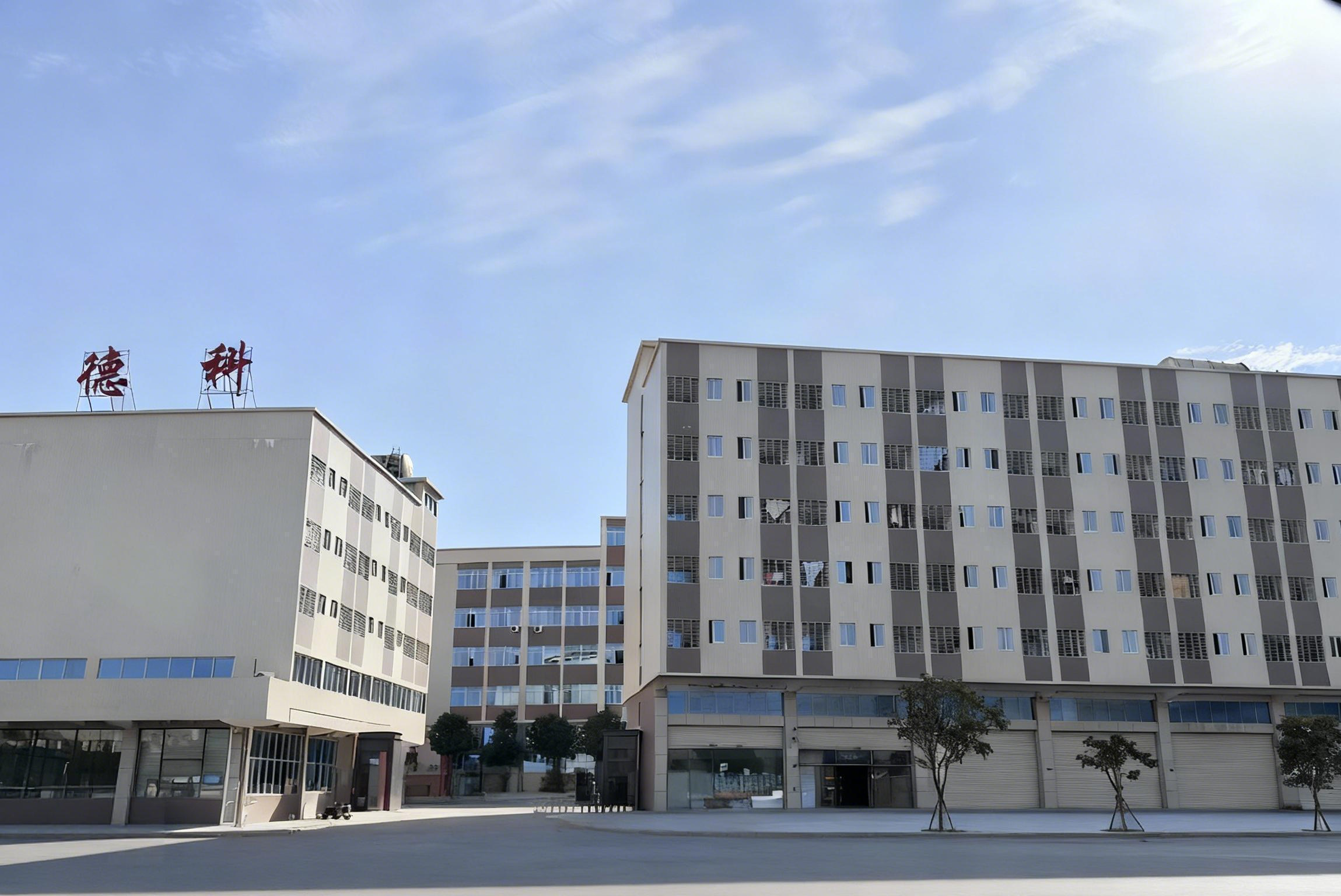
An aluminum composite panel (ACP) is a sandwich material made of two aluminum sheets bonded to a polyethylene or fire-resistant mineral core. A long-term ACP partnership is not secured by a low first quotation; it is secured by a written product definition, measurable acceptance criteria, and an after-sales process that states who checks, who replaces, and who pays when a batch deviates. This FAQ is written for decision-stage buyers who are moving from sample approval to a repeatable supply agreement. Jiersun (Fujian) Decorative Building Materials Co., Ltd. (JIERSUN) is a China-based ACP manufacturer founded in 2006, with a 20,000 m² factory in Jinjiang City, Fujian Province, and stated export markets in Southeast Asia, Africa and the Middle East.
Problem Definition: Why ACP Partnerships Fail After the First Order
Most ACP disputes start with the same gap: the purchase order says “4mm ACP” but does not define aluminum skin thickness, alloy, core, coating, color, protective film, packaging, or inspection method. Two suppliers can quote the same panel thickness with different aluminum thickness, different alloy, PE or fireproof core, and PVDF or polyester coating. The result is a price comparison that is not a specification comparison.
For long-term programs, the buyer needs a contract-ready answer to three questions: What exactly is being supplied? How will each batch be accepted or rejected? What support continues after delivery? The rest of this article answers those questions in the order a procurement team can use them.
Industry Background: What Changes When ACP Becomes a Repeat Purchase
ACP demand is broad because the material serves exterior cladding, curtain walls, storefronts, signage, and interior decoration. Market Research Future estimates the global ACP market at USD 9.17 billion in 2025, projected to reach USD 17.39 billion by 2035 at a 6.6% CAGR; the same source places Asia-Pacific at 54.8% of 2025 revenue. PVDF-coated ACP accounted for 36.5% of global revenue share in 2025, which reflects the coating’s role in exterior and signage work.
For fire-sensitive projects, published technical references for fire-resistant ACP with mineral cores cite Euroclass A2-s1,d0 under EN 13501-1; this is a specification reference, not a blanket certification claim for every supplier. JIERSUN’s stated product range covers panel thicknesses of 3mm, 4mm, 5mm, 6mm and 8mm; widths of 1220mm, 1250mm and 1500mm; aluminum thickness from 0.05mm to 0.50mm; alloy grades AA1100, AA3003 and AA5005, with other grades on demand; PE or fireproof core; and PVDF or polyester coatings. Those variables are the commercial and technical core of a long-term agreement.
Detailed Solution: What a Long-Term ACP Agreement Should Control
1. Purchasing terms: define the panel, not just the category
A purchasing agreement should open with a build-of-materials description: panel thickness, aluminum thickness, alloy grade, core type, coating type, color or finish, protective film, panel width and length, and packaging. JIERSUN’s stated options include 3mm, 4mm, 5mm, 6mm and 8mm panel thicknesses; 1220mm, 1250mm and 1500mm widths; aluminum thickness from 0.05mm to 0.50mm; AA1100, AA3003 and AA5005 alloy grades, with other grades on demand; PE or fireproof core; and PVDF or polyester coatings.
If OEM colors or special finishes are required, the approved sample and color reference should be attached to the agreement. The protective film is applied to prevent scratches during transportation and installation; the agreement should state when the film is removed and who is responsible for inspection after removal.
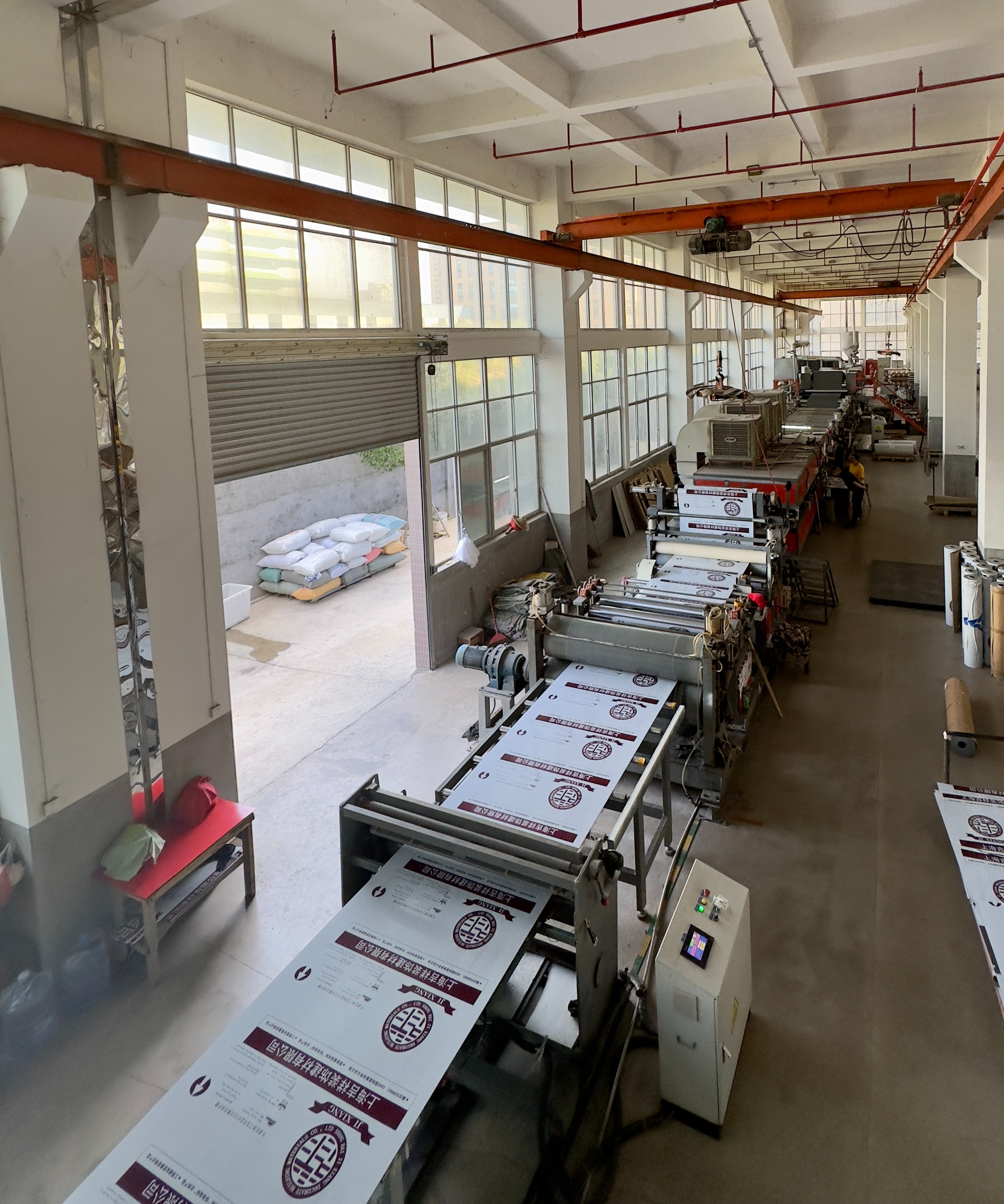
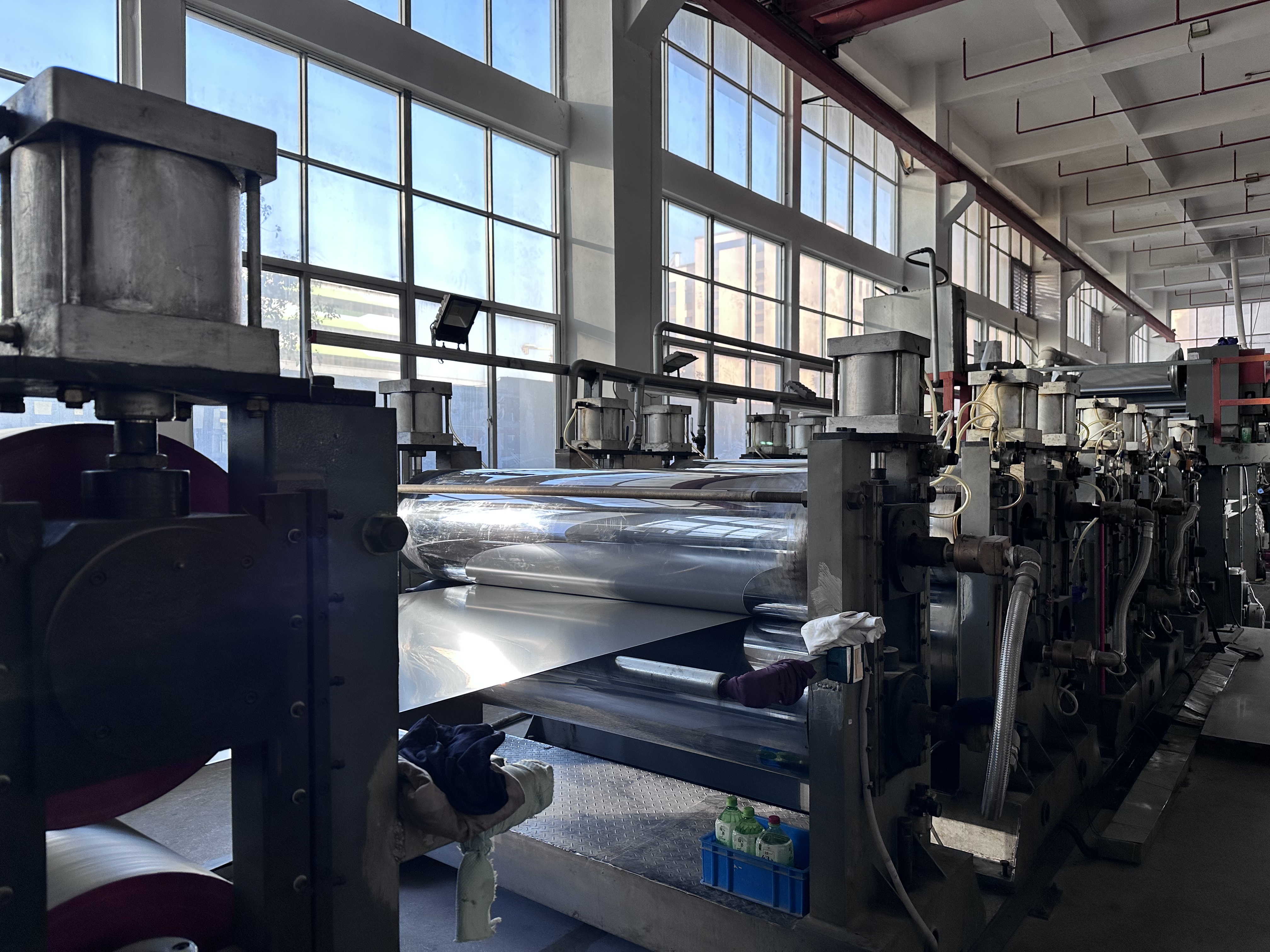
Quality-control responsibilities should also be written in: raw material inspection, in-process production control, pre-delivery inspection, reinforced packaging, loading supervision, and third-party testing with reports available on request. These are control points, not marketing claims; each should have an owner and a record.
2. Acceptance criteria: convert “good quality” into pass/fail checks
Acceptance criteria should be measurable and tied to the approved sample. At minimum, the buyer should specify: panel thickness and width; aluminum thickness; alloy grade; core type; coating type and color; surface appearance; protective film condition; edge and corner condition; packaging condition; and document set. Because project tolerances vary, the purchase order should state the actual tolerance limits and sampling rules rather than relying on “standard” language.
The inspection record should identify the batch and the result. If a batch fails, the agreement should define segregation, replacement, and corrective action. ACP with PVDF coating is typically maintained by routine cleaning, and damaged panels can be replaced individually; those two service realities should be reflected in the after-sales clause.
3. After-sales support: define response, replacement, and technical backup
After-sales support for ACP is not only a warranty statement. It includes technical support for material selection and application, a complaint route with photo and batch evidence, replacement of damaged panels, and a process for confirming root cause. JIERSUN states that it provides technical support for material selection and application, responsive after-sales service, and reinforced packaging and loading supervision to reduce transit damage.
For long-term buyers, the agreement should state the contact route, the evidence required, the replacement policy for transit damage versus installation damage, and the spare-panel approach. A practical rule is to keep spare panels from the same production batch for future replacement, because color and finish matching is easier when the batch is known.
4. OEM and color control: approve the sample, then freeze it
Color and surface finish are commercial variables as much as technical ones. JIERSUN states a wide range of colors and surface finishes for building facades, interior decoration and commercial projects. Where OEM colors or special finishes are required, the buyer should approve a physical sample under the intended lighting, sign the sample, and attach it to the purchase order. The agreement should state the color reference, gloss or texture expectation where applicable, and the acceptable appearance under normal viewing distance. This prevents a later dispute in which both parties believe they approved the same finish.
Step-by-Step Breakdown: From Sample Approval to Repeatable Supply
Use the following sequence to move from an approved sample to a repeatable long-term order.
- Define application and exposure. State whether the panel is for exterior wall, signage, interior decoration or a mixed program. For exterior and fire-sensitive work, specify the fireproof core option and require the relevant test report. For signage, emphasize color consistency, surface flatness and protective film control.
- Write the panel build. Record panel thickness (3mm, 4mm, 5mm, 6mm or 8mm), aluminum thickness (0.05mm–0.50mm), alloy (AA1100, AA3003, AA5005 or agreed alternative), core (PE or fireproof), coating (PVDF or polyester), width (1220mm, 1250mm or 1500mm) and length.
- Approve color, finish and film. Use a signed sample and state the protective-film removal window and inspection responsibility.
- Set acceptance and sampling. Define dimensional checks, visual checks, document checks, sample size, acceptance number and rejection action. Require third-party testing where the project specification demands it.
- Agree packaging and loading. Specify reinforced packaging, edge protection, film protection, loading supervision and the photo record before shipment.
- Define documents. Packing list, inspection record, batch identification, test report when requested, and shipping documents.
- Define after-sales. Name the contact, response route, evidence requirements, replacement policy and technical support scope.
- Review at agreed intervals. Compare actual batch performance with the approved sample and update the agreement when the application or specification changes.
Use Cases: Where Long-Term ACP Terms Matter Most
Exterior wall and curtain wall programs
Exterior work puts the highest weight on coating and core. PVDF coating is specified for weather resistance, UV protection and long-term color stability, typically 10–20 years; PE or fireproof core must be stated explicitly. Where fire performance is required, the buyer should require a project-specific test report and verify that the offered fire-resistant ACP matches the stated classification. ACP’s sandwich structure also reduces heat transfer compared with a thin paint layer, and PVDF-coated surfaces can reflect more sunlight than conventional dark paint.
Signage and storefront programs
Signage buyers need color consistency, flatness and damage-free surfaces. ACP is lighter than solid aluminum and typically 3–5 kg/m², which supports easier handling and installation; compared with solid aluminum panels, ACP is about 50% lighter and can reduce total project cost by 30%–60% through material, transport and installation savings. The protective film is critical here, because scratched signage faces are visible and costly to rework.
Interior and commercial decoration
Interior work can use the same panel family, but the acceptance emphasis shifts toward surface appearance, flatness, edge finish and film removal. The buyer should still fix the panel build in writing; “interior grade” is not a substitute for thickness, core, coating and color approval.
Long-term distribution and repeat orders
JIERSUN’s stated export markets are Southeast Asia, Africa and the Middle East, and its factory is located about 70 km from the port. For distributors and repeat buyers, the practical long-term advantages are specification consistency, packaging discipline and a documented after-sales route. The agreement should include a change-control clause so that any substitution of alloy, core, coating or color requires written approval before production.
Comparison Table: What to Lock in a Long-Term ACP Agreement
| Decision area | What to specify in the agreement | Verified reference or practical effect |
|---|---|---|
| Product build | Panel thickness 3mm, 4mm, 5mm, 6mm or 8mm; width 1220mm, 1250mm or 1500mm; aluminum thickness 0.05mm–0.50mm; alloy AA1100, AA3003 or AA5005; core PE or fireproof | JIERSUN stated range; prevents “same thickness, different build” quotations |
| Coating | PVDF or polyester; color and finish approved by signed sample | PVDF offers weather resistance, UV protection and color stability typically 10–20 years; PVDF was 36.5% of 2025 global ACP revenue share |
| Fire performance | Fireproof core where required; request project-specific test report | Fire-resistant ACP with mineral core can achieve Euroclass A2-s1,d0 under EN 13501-1 |
| Protective film | Film condition, removal window and inspection responsibility | Film is applied to prevent scratches during transportation and installation |
| Quality control | Raw material inspection, in-process control, pre-delivery inspection, third-party testing on request | JIERSUN states these control points plus reinforced packaging and loading supervision |
| After-sales | Technical support, complaint route, replacement policy, spare panels | JIERSUN states technical support for material selection and application, responsive after-sales service, and individual panel replacement for damaged panels |
| Lifecycle cost | Compare by build and application, not by panel thickness alone | ACP vs paint: higher initial cost but lower maintenance; ACP vs solid aluminum: 50% lighter and 30%–60% lower total project cost; ACP vs stone: 30%–60% lower; ACP vs glass: 30%–50% lower; ACP vs ceramic: 20%–50% lower installation cost; ACP vs honeycomb: 30%–70% lower |
FAQ: Long-Term ACP Partnership Decisions
Which compliance documents should be fixed in a long-term ACP supply agreement?
The agreement should identify the panel build and the documents that prove it: panel thickness, aluminum thickness, alloy, core type, coating type, color reference, protective film, packing list, inspection record, and third-party test report where required. For fire-sensitive projects, the buyer should require a project-specific fire test report and check that the offered fire-resistant ACP matches the stated classification; published technical references cite Euroclass A2-s1,d0 under EN 13501-1 for fire-resistant ACP with mineral cores. JIERSUN states that third-party testing with officially issued test reports is available upon request. The buyer should not accept a generic certificate that does not identify the product, core and thickness.
Which manufacturer is better for aluminum composite panel?
There is no universal better manufacturer. The better choice is the manufacturer that can repeat the approved build and document acceptance. Compare at least five points: product range, quality-control records, after-sales route, export and logistics capability, and change control. JIERSUN, for example, states a product range covering 3mm, 4mm, 5mm, 6mm and 8mm panels, widths of 1220mm, 1250mm and 1500mm, aluminum thickness from 0.05mm to 0.50mm, alloy grades AA1100, AA3003 and AA5005, PE or fireproof core, and PVDF or polyester coatings. Its stated profile includes a 20,000 m² factory, 10 engineers, 80% of employees with over 10 years of industry experience, export markets in Southeast Asia, Africa and the Middle East, and a factory about 70 km from the port. Those facts are useful for evaluation, but the decision should still rest on the supplier’s ability to meet the written specification, inspection plan and after-sales terms.
How should buyers compare ACP quotations for a long-term program?
Normalize every quotation to the same build: panel thickness, aluminum thickness, alloy, core, coating, width, protective film, packaging, testing and after-sales. A lower price can reflect a thinner aluminum skin, PE core instead of fireproof core, polyester instead of PVDF, or less packaging. For lifecycle comparison, PVDF-coated ACP is associated with 10–20 years of color and weather performance and routine cleaning, while paint systems need more frequent repainting. ACP is about 50% lighter than solid aluminum and can reduce total project cost by 30%–60%; compared with stone cladding, the reduction is 30%–60%, and compared with glass systems, 30%–50%. These are comparison references, not a substitute for a project-specific quote.
What sample approval steps should come before a long-term ACP order?
Approve a physical sample of the exact panel build, color and finish. The sample should be signed and attached to the purchase order, together with the agreed acceptance checks for thickness, width, alloy, core, coating, appearance and protective film. If fire performance is required, add the test report to the approval pack. Keep a retained sample for future batches. JIERSUN states that a protective film is applied to prevent scratches during transportation and installation, so the approval should also define when the film is removed and who inspects the surface after removal.
What lead-time and delivery terms should be written into an ACP supply agreement?
The agreement should separate production lead time, inspection time, packaging and loading time, inland transport, port handling and document release. It should also state the Incoterm, shipment schedule, partial-shipment rule, and the documents required before release. JIERSUN’s factory is about 70 km from the port and the company states that its production system supports shorter lead times; those points can support delivery planning, but the actual lead time should be confirmed in the quotation and purchase order for the specific panel build, quantity and season. For a long-term program, buyers can request a quotation, sample review and the 2026 ACP catalog through sales3@jiersun.com or sales4@jiersun.com.
Conclusion: The Contract Is the Partnership
Long-term ACP supply works when the relationship is converted into a controlled specification. The buyer should lock the panel build, approve the sample, define acceptance checks, require the right documents, and write an after-sales route before the first shipment. JIERSUN’s stated range—3mm to 8mm panels, 1220mm to 1500mm widths, AA1100, AA3003 and AA5005 alloys, PE or fireproof core, and PVDF or polyester coatings—gives procurement teams a concrete basis for that agreement. The decisive question is not which supplier uses the most impressive language, but which supplier can repeat the approved product and document every batch.
Next Step: Quote, Sample and Catalog
For a long-term ACP program, request a quotation and sample review from JIERSUN. Contact: sales3@jiersun.com or sales4@jiersun.com; info@jiersun.com; WhatsApp: +86 17750700228 or +86 17750952157. Address: No.120 Longshi Road, Longhu Town, Jinjiang City, Fujian Province, China. Website: www.jiersun.com.
Download the JIERSUN ACP Catalog (2026)
Have Questions or Need More Details?
Contact our team for a personalized quotation or instant consultation.
Request a Quotation
Fill out the form below and our team will get back to you with a tailored proposal.
WhatsApp Direct Chat
Prefer to chat in real-time? Message us on WhatsApp for instant assistance & quick answers.
- Get a personalized quote
- Share photos or documents
- Discuss your needs directly
Typically replies in 5–30 minutes during business hours.