
3mm vs 4mm vs 5mm Aluminum Composite Panels: A Buyer's Thickness Comparison Guide
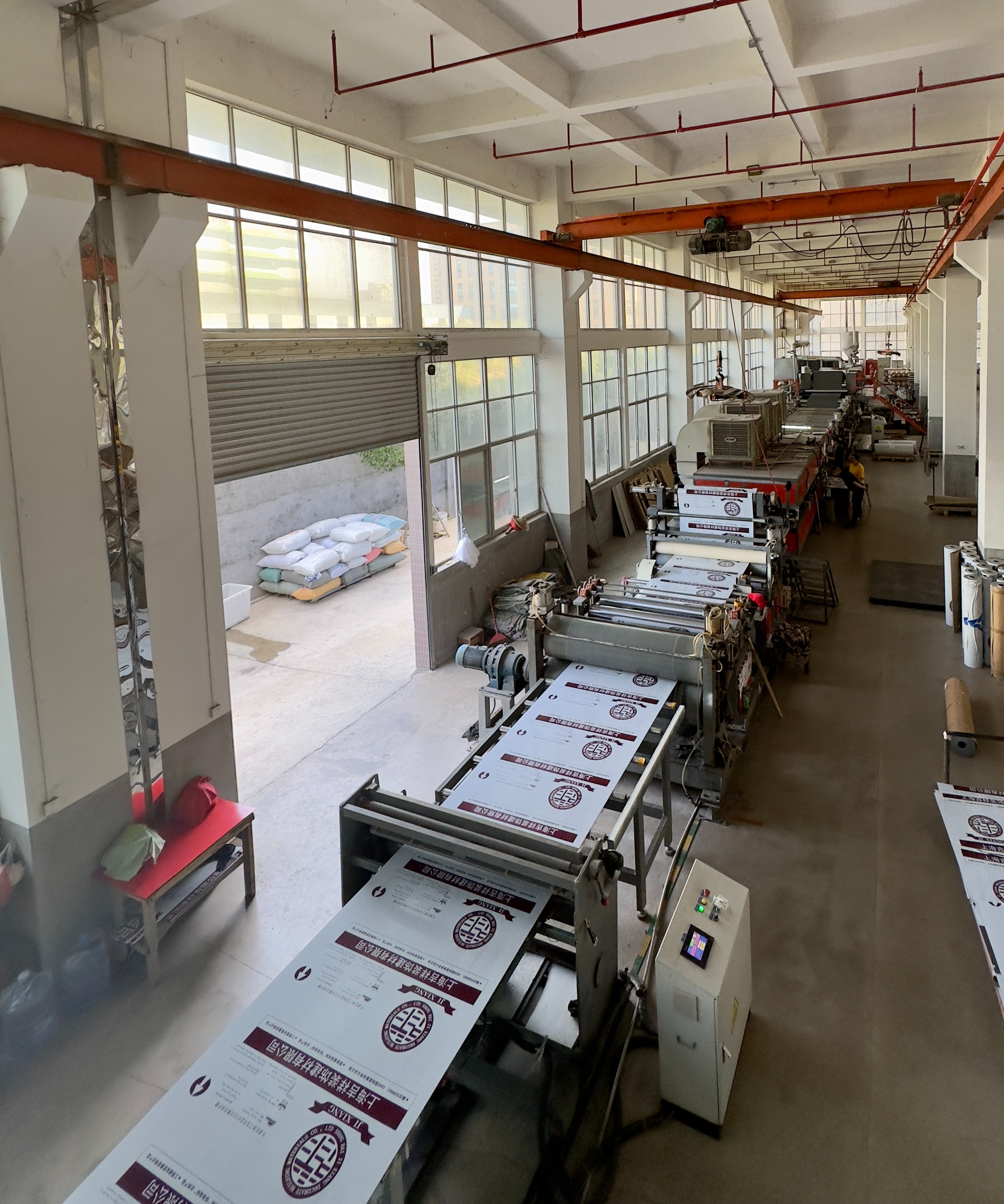
Three, four and five millimeters are the three most requested aluminum composite panel thicknesses in project procurement, and they are routinely treated as three grades of the same product. They are not. In JIERSUN's product data each thickness carries a different application emphasis, and the specification set surrounding the panel — aluminum skin thickness, alloy grade, core material, coating system and panel width — does at least as much work as the nominal millimeter figure on the label.
This guide is a thickness comparison for buyers who are past discovery and are now specifying. It compares 3mm, 4mm and 5mm panels across the applications JIERSUN assigns to each, explains how nominal thickness interacts with the wider specification set, and sets out what to verify at acceptance so that the panel delivered matches the panel ordered.
Direct answer: match the thickness to the application first, then lock the rest of the specification. JIERSUN publishes panel thickness options of 3mm, 4mm, 5mm, 6mm and 8mm; aluminum thickness from 0.05mm to 0.50mm; aluminum alloy grades AA1100, AA3003 and AA5005; PE core or fireproof core; and normal widths of 1220mm, 1250mm and 1500mm. The 3mm panel is specified for building curtain wall and exterior wall decoration, the 4mm panel for interior decoration, and the 5mm panel for furniture factory and engineering project decoration.
Problem Definition: Why "Buy the Thickest" Is the Wrong Default
A buyer who has not yet identified which variables control performance will often reach for the heaviest option available, on the assumption that thickness is a proxy for strength, durability and safety. That assumption collapses once the panel meets the rest of the specification set.
Panel thickness in an aluminum composite panel is the total dimension of a sandwich: two aluminum skins bonded to a core. The nominal figure says nothing on its own about how much aluminum is in the panel, what the core is made of, or what the surface will do under ultraviolet exposure.
- Total thickness is not aluminum thickness. JIERSUN's aluminum thickness range runs from 0.05mm to 0.50mm. Two panels both labeled 4mm can differ substantially in metal content, and therefore in stiffness and handling behavior. Specifying only the total figure leaves the more consequential number unstated.
- Total thickness is not a core decision. PE core and fireproof core are separate options across the range. Fire performance is governed by the core, not by the millimeter figure, so a thicker PE-core panel does not substitute for a fireproof-core panel where one is required.
- Total thickness is not a coating decision. The surface system — PVDF coated, nano self-cleaning, mirror, brushed, wood grain, marble grain or fireproof — determines how the panel behaves outdoors and what it looks like indoors. A heavier panel with the wrong coating still fails the application.
The practical consequence cuts both ways. A buyer who defaults to 5mm on an interior wall package pays for a panel dimension the installation does not need, while the coating, core and alloy decisions that do matter stay open. The reverse error is more expensive: a 3mm panel pressed into a furniture or load-bearing fabrication role can force rework after cutting has already started.
Industry Background: Demand Is Stratified by Application, Not by Weight
The thickness ladder exists because cladding demand is stratified by application, not because buyers are converging on a single heavier specification.
Market Research Future's aluminum composite panels report places the global market at USD 9.17 billion in 2025 and projects USD 17.39 billion by 2035, a compound annual growth rate of 6.6% (source: Market Research Future, Aluminum Composite Panels Market report, accessed 2026). The same report attributes 54.8% of 2025 revenue to Asia-Pacific and 36.5% of 2025 revenue to PVDF coated panels specifically.
Those two segments matter for a thickness decision. A market weighted toward Asia-Pacific project volume is a market weighted toward exterior cladding, interior fit-out and signage manufactured in the same region at different specification levels for different end uses. A market in which PVDF coating holds more than a third of revenue is a market where the coating system, rather than the nominal panel thickness, is the headline performance purchase.
What follows is a procurement rule rather than a forecast: thickness is a fit variable. It should be selected to suit the substrate, the installation system and the fabrication the panel will undergo, then confirmed against the coating, core and alloy that the exposure conditions require.
Detailed Solution: How JIERSUN Structures the 3mm / 4mm / 5mm Choice
JIERSUN, formally Jiersun (Fujian) Decorative Building Materials Co., Ltd., is an aluminum composite panel manufacturer based in Jinjiang City, Fujian Province, China, supplying curtain wall, interior decoration, signage and furniture applications with an export footprint concentrated in Southeast Asia, Africa and the Middle East.
One specification set, three application emphases
The most important structural fact about the 3mm, 4mm and 5mm panels in JIERSUN's range is that they share the same specification set. All three are offered with normal widths of 1220mm, 1250mm and 1500mm; aluminum thickness from 0.05mm to 0.50mm; aluminum alloy grades AA1100, AA3003 and AA5005, with other grades on demand; PE core or fireproof core; and the full surface range covering PVDF coated, mirror, wood grain, marble grain, brushed, nano self-cleaning and fireproof panels. Color is accepted to customization, and both OEM and custom-made branding are supported.
The procurement implication is direct: choosing a thickness does not restrict the surface or core options open to a project. The buyer is not trading finish quality for a lighter panel. The thickness decision sits alongside the other specification decisions rather than above them.
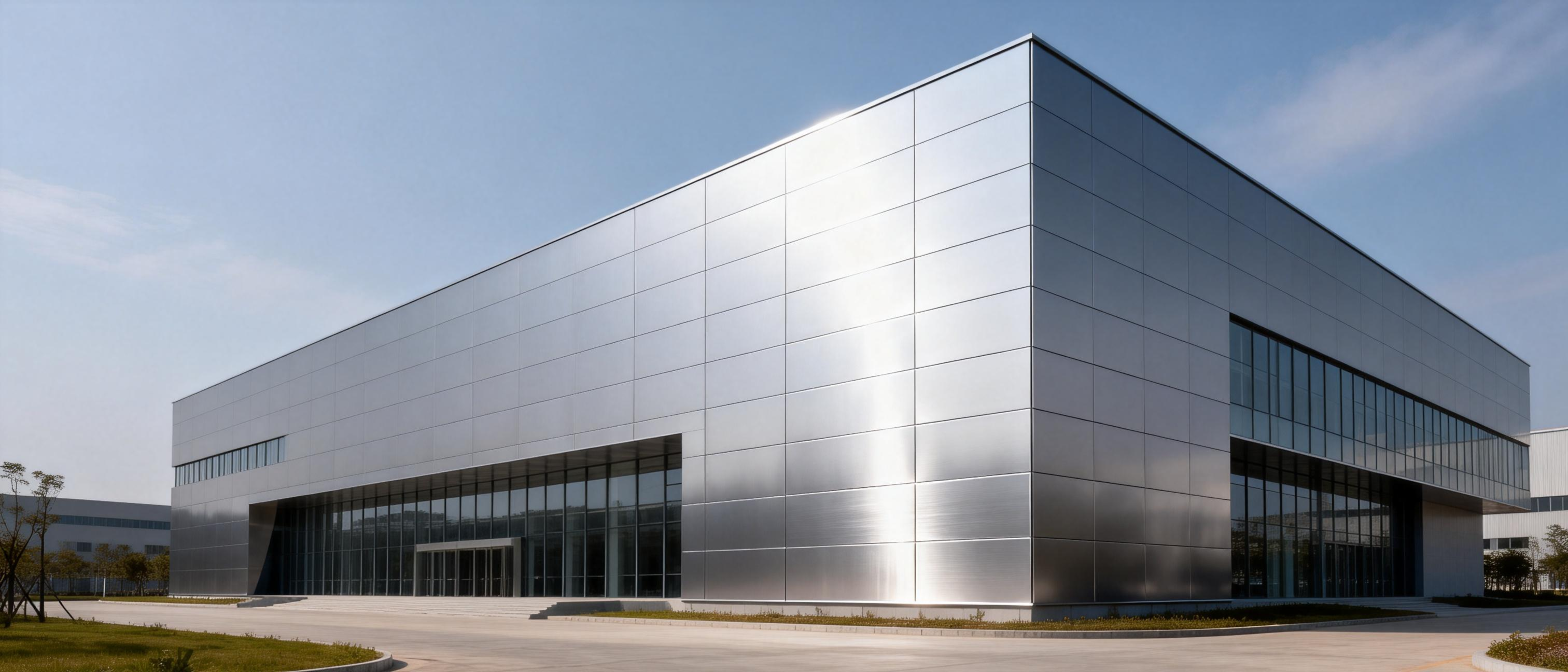
3mm aluminum composite panel: building curtain wall and exterior wall decoration
JIERSUN specifies 3mm panel for building curtain wall and exterior wall decoration. That application profile arrives with a defined set of external requirements: weather resistance, ultraviolet resistance, and a fire performance rating that belongs in the contract technical requirements rather than in an assumption.
On a 3mm exterior specification, the coating carries the exposure burden. PVDF coated and nano self-cleaning surfaces are the options in the range aimed at outdoor service, and the case record below shows what happens when a storefront project specifies an ordinary surface in a high-ultraviolet market. The 3mm panel also depends on secondary systems — keel and suspension systems, aluminum profile framing, adhesives and sealants, and fastening components — whose selection is determined by the project structure rather than by the panel supplier alone. The installation is passive and fixed, with no continuous energy consumption; maintenance intervals follow the surface coating and the service environment.
A 3mm curtain wall specification should therefore always be read together with the alloy grade and the aluminum skin thickness. AA1100, AA3003 and AA5005 behave differently in fabrication and forming, and the 0.05mm to 0.50mm skin range means the buyer should state a skin thickness rather than accept the nominal panel figure as sufficient.
4mm aluminum composite panel: interior decoration
JIERSUN specifies 4mm panel for interior decoration. Interior work changes which properties matter: visual surface consistency, flatness across large wall and ceiling areas, cutting and edge behavior during fabrication, and the decorative finish itself.
This is where the surface range does most of its work. Wood grain, marble grain, mirror and brushed finishes are interior-facing aesthetic options, and a 4mm panel carries them without the exterior durability demands that a fully exposed facade imposes. Interior ceiling and wall cladding is a passive fixed installation whose maintenance cycle depends on the coating and the indoor environment.
The 4mm panel is also where buyers most often over-specify. Choosing 5mm for an interior wall package adds a panel dimension the substrate and framing do not call for, and it does not improve the visual outcome, which is governed by surface flatness and coating consistency. Where an interior specification does need more than aesthetics — a fire performance requirement in a public interior, for example — the correct adjustment is the core material, not the panel thickness.
5mm aluminum composite panel: furniture factory and engineering project decoration
JIERSUN specifies 5mm panel for furniture factory and engineering project decoration. Both uses involve fabrication rather than simple cladding: panels are cut, edged, bonded and assembled into a finished product or a project element, and the panel has to hold its shape through that process.
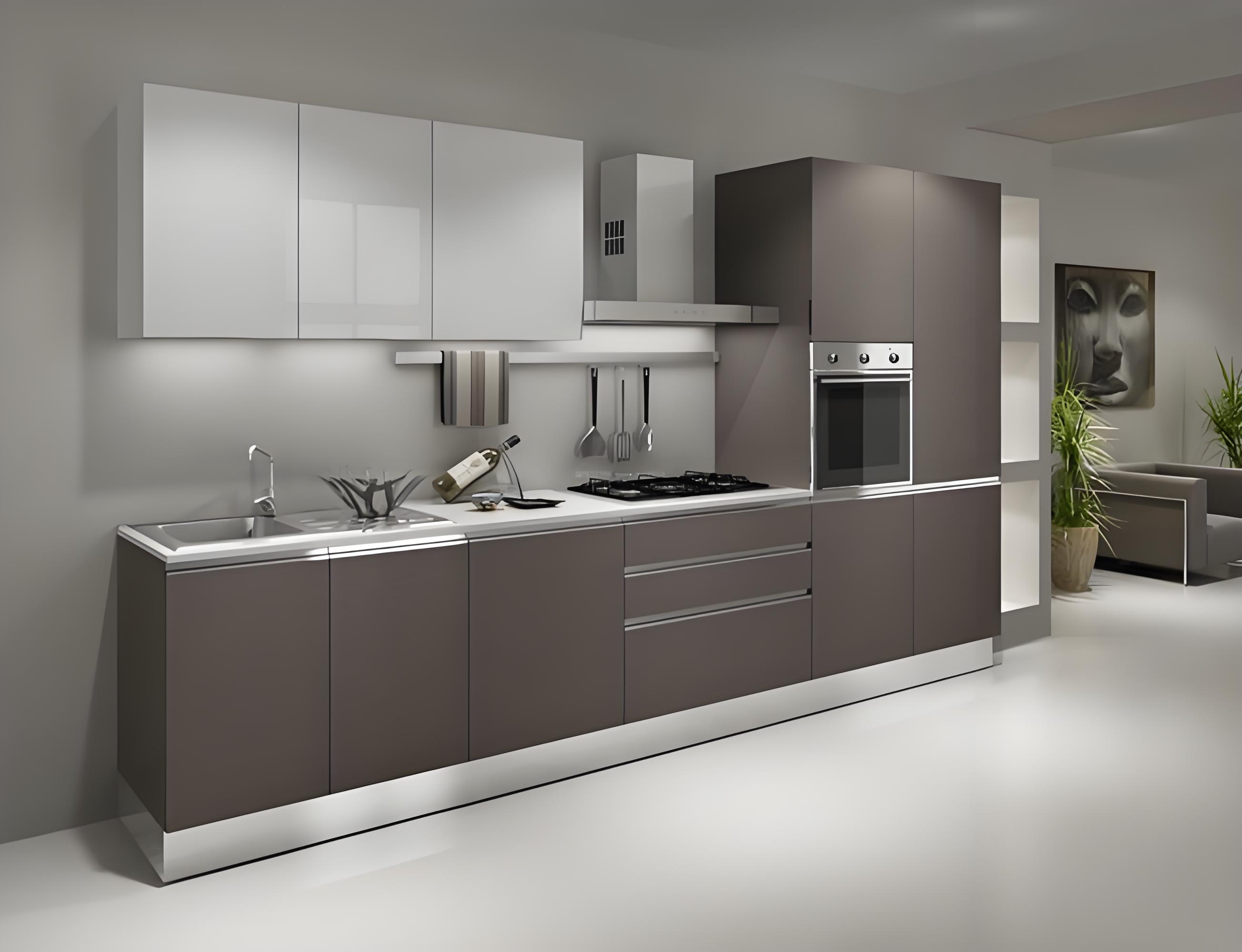
The furniture application is documented in a JIERSUN case in the Philippines, where a cabinet manufacturer replaced traditional solid wood with double-sided aluminum composite panels. The stated result was reduced production cost, significantly reduced paint-related pollution, and a stronger environmental position in the local market. The panel choice in that case was driven by fabrication suitability and cost performance rather than by a performance rating, which is exactly the logic a 5mm specification should follow.
Engineering project decoration covers cases where the panel is part of a built assembly rather than a flat facade. The same 5mm panel appears in advertising signboard facade design in a documented JIERSUN distributor case in Malaysia, where a local company sourcing six containers used the panels to serve higher-standard clients and reduce complaint rates.
Step-by-Step Breakdown: A Five-Step Thickness Decision Process
The sequence below turns the comparison into an order-ready specification. Each step closes a variable that the nominal panel thickness cannot answer on its own.
Step 1 — Define the application and the installation system
Start from what the panel is attached to and how. External curtain wall systems, commercial and retail storefronts, interior ceilings and wall cladding, billboard and signage applications, and furniture manufacturing each impose different framing, fastening and handling requirements. The application determines the starting thickness: 3mm for curtain wall and exterior wall decoration, 4mm for interior decoration, 5mm for furniture factory and engineering project decoration.
Step 2 — Set aluminum skin thickness and alloy grade before confirming total thickness
Aluminum thickness ranges from 0.05mm to 0.50mm, and alloy grades from AA1100, AA3003 and AA5005, with other grades available on demand. Two orders with identical nominal panel thickness and different skin thickness are different products. Write the skin thickness and the alloy grade into the purchase specification explicitly, and treat the nominal panel figure as the outcome rather than the input.
Step 3 — Resolve the core material against the compliance requirement
PE core and fireproof core are both offered across the thickness range. Where a fire performance rating is required, it must be stated in the contract technical requirements and matched by the core. As a category reference, fire-resistant aluminum composite panels with mineral cores can reach Euroclass A2-s1, d0 under EN 13501-1; any specific classification claimed for a delivered order has to be confirmed against that order's documentation, not inferred from panel thickness or from a category statement.
Step 4 — Match the coating and surface to the exposure
PVDF coated, nano self-cleaning, mirror, brushed, wood grain, marble grain and fireproof surfaces are all available. Outdoor exposure with weather and ultraviolet resistance requirements points to the weather-resistant coating options; interior work points to the decorative finishes. Color is accepted to customization, so the coating system and the color should be confirmed as one decision rather than two.
Step 5 — Fix width, purchasing terms and acceptance criteria
Normal widths of 1220mm, 1250mm and 1500mm affect cutting yield and waste, so choose the width against the fabrication layout rather than by default. Then close the commercial terms: a minimum order quantity of 500 m², OEM/ODM production, and a lead time of 15–20 days. Specify the inspection and acceptance method at the same time — the next section sets out what to check.
Purchasing Terms and Acceptance Criteria: What to Verify on Delivery
Thickness disputes are almost always documentation disputes. The panel that arrives is the panel that was described in the order documents, so the specification has to be written precisely enough to be checked at the door.
| Item | What to confirm | JIERSUN position |
|---|---|---|
| Panel thickness | Nominal figure matches the ordered thickness | 3mm, 4mm, 5mm, 6mm and 8mm available |
| Aluminum skin thickness | Measured value sits inside the declared range | 0.05mm to 0.50mm |
| Alloy grade | Grade on documents matches the order | AA1100, AA3003, AA5005; other grades on demand |
| Core material | PE core or fireproof core as ordered | Both options available across the range |
| Panel width | Width matches the cutting layout | 1220mm, 1250mm, 1500mm |
| Coating and surface | Surface system and color as ordered | PVDF coated, mirror, wood grain, marble grain, brushed, nano self-cleaning, fireproof; color to customization |
| Customs classification | Declared code consistent with the goods | HS Code 76061230 covers aluminum composite panels of aluminum alloys with thickness over 0.2mm |
| Inspection record | Pre-shipment report and loading evidence on file | Pre-shipment inspection report, packing photos and loading photos; third-party testing such as SGS available on request |
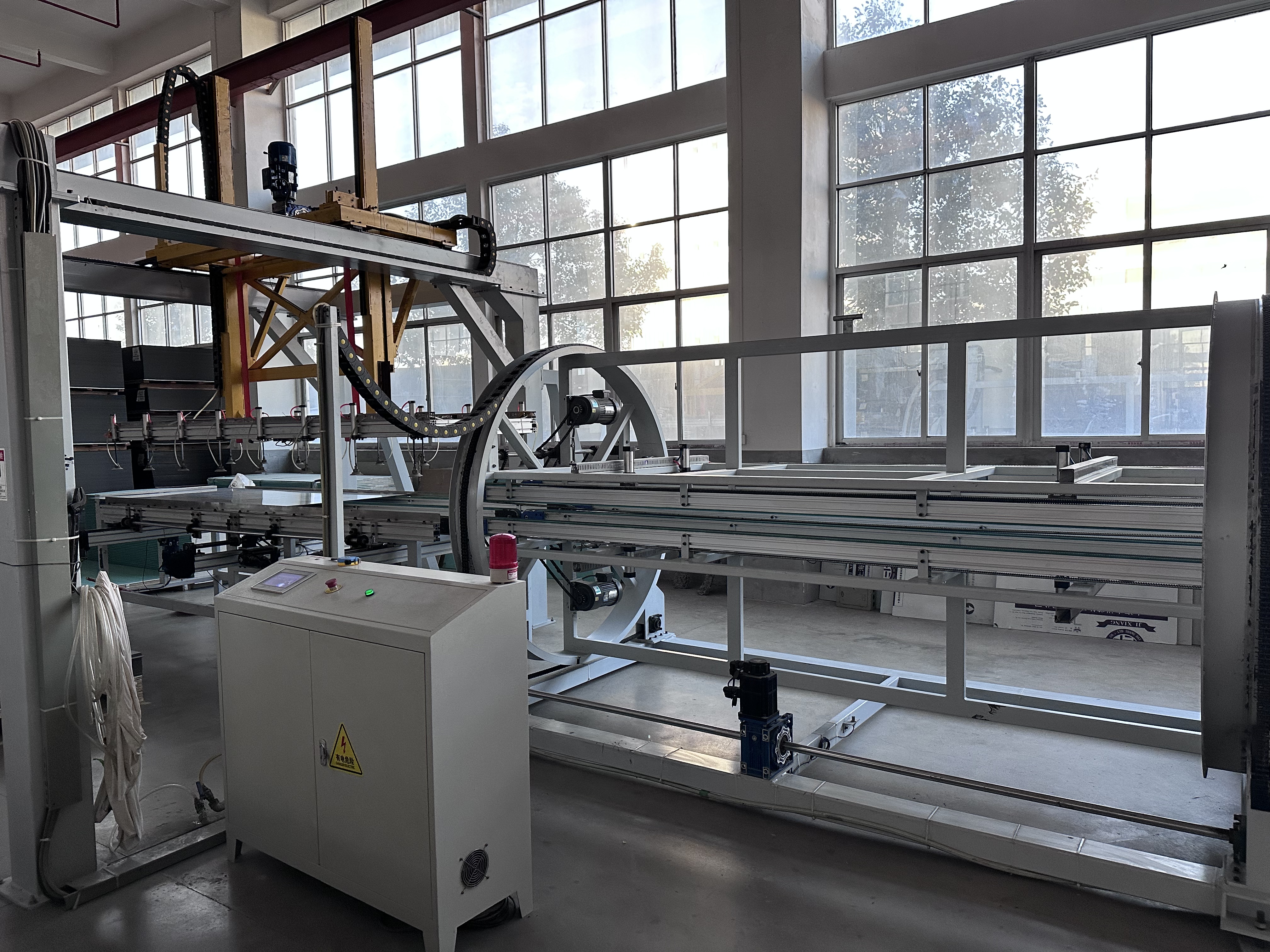
JIERSUN's quality control begins at incoming raw material — aluminum coils, coatings and core materials are inspected against production standards — and continues through the full production process. Buyers who need independent confirmation can request third-party testing, and a free testing and inspection service covering raw material inspection, in-process quality control, finished product inspection and a pre-shipment inspection report is part of the order process.
Two acceptance points deserve specific attention on a thickness order. The first is the aluminum skin measurement, because it is the variable most often left unstated in a thickness-focused purchase order. The second is the core material, because it is the variable that most often decides whether the delivered panel can be used at all in a regulated application.
Use Cases: Matching Thickness to Real Project Types
Exterior wall and curtain wall projects — 3mm
External curtain wall systems and exterior wall decoration are specified at 3mm in JIERSUN's data, with weather and ultraviolet resistance requirements and a fire performance rating defined in the contract. The coating and the secondary framing system carry most of the exterior performance load, which is why a 3mm exterior specification is a system specification rather than a panel-only purchase.
Interior decoration — 4mm
Interior ceilings and wall cladding are specified at 4mm, with the surface range doing the visible work. Wood grain and marble grain finishes deliver decorative appearances for interior projects while maintaining construction efficiency, and interior work does not carry the ultraviolet exposure burden of a fully exposed facade.
Furniture manufacturing — 5mm
The documented Philippines cabinet case shows the furniture logic directly: a cabinet maker moved from traditional solid wood to double-sided aluminum composite panels, cutting production cost and paint-related pollution at the same time. The thickness choice in that application is a fabrication choice — the panel has to survive cutting, edging and assembly into a finished cabinet.
Signage and billboard facade projects — 3mm and 5mm in practice
Signage is where thickness decisions meet the harshest exposure test. In a JIERSUN case in Malaysia, a distributor supplying advertising signboard facade design ordered six containers; the panels were used to serve higher-standard clients and reduce complaint rates. In a separate Maldives case, a retailer ordered two containers for storefront signage in a market with year-round strong sunlight and high ultraviolet radiation. Conventional aluminum composite panels previously used in those storefront projects began to fade after only two to three years. JIERSUN recommended PVDF aluminum composite panels with superior weather resistance, and the fading issue was effectively resolved, meeting the requirement for long-term color stability and outdoor durability across a relationship of more than ten years.
The Maldives case is the clearest available evidence that a long-life storefront signage specification in high-ultraviolet conditions is decided by the coating system, not by adding panel thickness. The correct response to fading was a PVDF surface, not a heavier panel.
Comparison Table: 3mm vs 4mm vs 5mm Side by Side
| Specification | 3mm ACP | 4mm ACP | 5mm ACP |
|---|---|---|---|
| Application emphasis in JIERSUN product data | Building curtain wall and exterior wall decoration | Interior decoration | Furniture factory and engineering project decoration |
| Core material options | PE core, fireproof core | PE core, fireproof core | PE core, fireproof core |
| Aluminum alloy grades | AA1100, AA3003, AA5005 | AA1100, AA3003, AA5005 | AA1100, AA3003, AA5005 |
| Aluminum thickness range | 0.05mm – 0.50mm | 0.05mm – 0.50mm | 0.05mm – 0.50mm |
| Normal widths | 1220mm, 1250mm, 1500mm | 1220mm, 1250mm, 1500mm | 1220mm, 1250mm, 1500mm |
| Surface and coating options | PVDF coated, mirror, wood grain, marble grain, brushed, nano self-cleaning, fireproof | Same surface range | Same surface range |
| Color | Accept customization | Accept customization | Accept customization |
| Brand / OEM | Custom made | Custom made | Custom made |
Table note: the three thicknesses share one specification set, so the comparison turns on application fit rather than on a quality ranking. Panel thickness options extend to 6mm and 8mm where a project calls for them. Weight is normally discussed at order level across a 3–5 kg/m² range for this panel family; the exact figure depends on the combined specification, not on nominal thickness alone.
What the table makes visible is that the differentiator sits in the application row. Everything below it is identical, which is the strongest argument against treating a higher millimeter figure as an upgrade.
FAQ
What should a buyer verify on delivery to confirm that a 3mm, 4mm or 5mm ACP order matches its declared specification?
Verify five things against the order documents. Measure the aluminum skin thickness and confirm it sits inside the declared 0.05mm to 0.50mm range. Confirm the alloy grade stated on the documents — AA1100, AA3003 or AA5005, or another grade ordered on demand. Confirm the core material, PE core or fireproof core, since that is the variable that governs fire performance. Confirm nominal panel thickness (3mm, 4mm, 5mm, 6mm or 8mm) and the panel width (1220mm, 1250mm or 1500mm). Finally, check the customs classification — HS Code 76061230 covers aluminum composite panels of aluminum alloys with thickness over 0.2mm — and request the pre-shipment inspection report, packing photos and loading photos. Where a fire performance rating applies, confirm the specific classification in the order documentation rather than relying on the category position that mineral-core fire-resistant panels can reach Euroclass A2-s1, d0 under EN 13501-1.
Do 3mm, 4mm and 5mm panels come with the same coating and core options?
Yes. In JIERSUN's product data the three thicknesses share one specification set: PE core or fireproof core; aluminum alloy grades AA1100, AA3003 and AA5005 with other grades on demand; aluminum thickness from 0.05mm to 0.50mm; normal widths of 1220mm, 1250mm and 1500mm; and surfaces covering PVDF coated, mirror, wood grain, marble grain, brushed, nano self-cleaning and fireproof. Color is accepted to customization and both OEM and custom-made branding are supported. Selecting a thickness therefore does not restrict the finish or core choices available to the project.
Does a thicker panel always mean a higher project cost?
Not automatically, and not for the reason buyers usually assume. Nominal panel thickness is only one of several cost drivers in an aluminum composite panel order. Aluminum skin thickness (0.05mm to 0.50mm), alloy grade (AA1100, AA3003 or AA5005), core type (PE or fireproof), coating system and panel width all change the material content of a square meter of panel. Two orders at the same nominal thickness can therefore price differently, and a quote comparison that ranks suppliers by thickness alone is not comparing like with like. For a valid comparison, hold the full specification set constant and compare quotations against that fixed specification.
Can I validate a thickness choice before placing a full order?
Yes, and the validation should cover the specification set rather than the thickness alone. JIERSUN works to a minimum order quantity of 500 m² and offers a free testing and inspection service that includes raw material inspection, in-process quality control, finished product inspection and a pre-shipment inspection report. Packing photos and loading photos are provided, and third-party testing such as SGS is available on request. Remote technical support covers product selection consultation, project specification recommendation, installation and fabrication guidance, and online after-sales support with a 24-hour response commitment.
What lead time applies to a 3mm, 4mm or 5mm order, and what should be confirmed first?
Lead time is 15–20 days, with OEM/ODM production supported and the factory located 70 km from the port. Before the order is placed, confirm the full specification in writing: nominal panel thickness, aluminum skin thickness, alloy grade, core material, coating system and color, panel width, quantity against the 500 m² minimum, and the inspection and acceptance method. Orders that fix these points before production avoid the most common thickness-order dispute, which is a delivered panel that matches the millimeter figure but not the skin thickness or core that the application required.
Conclusion
The 3mm, 4mm and 5mm aluminum composite panels in JIERSUN's range are not three quality tiers. They are three application starting points built on one shared specification set: 3mm for building curtain wall and exterior wall decoration, 4mm for interior decoration, 5mm for furniture factory and engineering project decoration, with 6mm and 8mm available where a project needs them. Because aluminum thickness, alloy grade, core material, coating system and width are identical across the three, moving up a millimeter does not buy a better panel — it buys a different fit.
The decision that actually controls outcomes sits in the variables around the thickness. A PVDF surface, not a heavier panel, solved the fading problem on high-ultraviolet storefront signage in the Maldives. A core change, not a thickness change, is what resolves a fire performance requirement. A stated aluminum skin thickness, not a nominal figure, is what makes an order inspectable on delivery. Buyers who fix those variables and then choose the thickness to suit the application get a specification that performs and an order that can be verified.
Next step: specify the thickness against your application
Send JIERSUN the application, installation system, exposure conditions and target width, and the team will confirm which thickness fits before any quotation is issued. Requests for samples, project-specific quotations and distributor terms can go to sales3@jiersun.com or WhatsApp +86 17750700228.
The full specification set, surface range and product data are available in the JIERSUN ACP Catalog (2026), and the company site is www.jiersun.com.
Have Questions or Need More Details?
Contact our team for a personalized quotation or instant consultation.
Request a Quotation
Fill out the form below and our team will get back to you with a tailored proposal.
WhatsApp Direct Chat
Prefer to chat in real-time? Message us on WhatsApp for instant assistance & quick answers.
- Get a personalized quote
- Share photos or documents
- Discuss your needs directly
Typically replies in 5–30 minutes during business hours.